Showing posts with label values. Show all posts

Saturday, January 31, 2009

Don't Get Mad, Get GLAD: One Planet Living

This is part 4 of my research on global food movements, entitled
GLOBALIZATION: It's what's for dinner.

Global food movements making a difference: ONE PLANET LIVING

With growth rates unprecedented before the 20th century, the world's population is estimated to be about 6.7 billion today, and with population projections, is expected to reach nearly 9 billion by the year 2042. [13] As the population mushrooms and the lifestyle choices of global people shift towards more Western and American ways, researchers predict that we are headed for an inevitable future.

Erik Assadourian, Project Director of Vital Signs 2007-2008 writes, "It is increasingly clear that if we follow our current path much longer it will likely take Earth millennia to recover from the devastation we have caused. One entity among the thousands of threatened species and ecosystems may not make it through this global change: human civilization." [14] The United Nations Environment Program echoes this in its 2007 report, which asserts that, "The human population is living far beyond its means and inflicting damage to the point of no return." [15]

Climate change, the rate of extinction of species and the challenge of feeding a growing earth population are factors that are putting the planet at risk. Achim Steiner, executive director of the UN Environment Program, said, "The human population is now so large that the amount of resources needed to sustain it exceeds what is available at current consumption patterns." The most recent measurement shows that humans currently use the resources of 1.25 Earths and are thus depleting the ecological capital on which future populations will depend. [16]

As growth accelerates in both the first and the two-thirds world, so does the depletion of ecological capital and environmental resources.

This reality is the philosophical foundation of One Planet Living, a global initiative based on 10 principles of sustainability developed by BioRegional, a British-based NGO, and WWF, the largest multinational conservation organization in the world. [17] The starting point of One Planet Living is based on the scientific principle of eco-footprinting.

Eduardo Gonçalves, Coordinator of One Planet Living in Portugal, describes it this way.
Put crudely, the world has approximately 12 billion hectares of bioproductive land: this is the area of land (and sea) that can usefully provide us with food, fuel, fibres etc as well as forest cover to absorb our CO2 emissions. On the other end of the scale is the world’s population of approximately 6 billion. Divide the first by the second and that leaves us with a per capita global quota of 2 hectares. However, if we actually measure the rate of resource consumption and waste reduction in the developed world, we see that we are consuming an unfair share of the planet’s resources. The land and sea needed to satisfy the demands of the average EU citizen is nearer to the equivalent of 6 hectares. . . . Clearly, this is not sustainable. We need to find ways to live within the world’s natural limits. [18]
Based on these calculations, the rallying cry of One Planet Living is: "If everyone in the world lived like an average European, we'd need 3 planets to live on. If we all lived like an average North American, we'd need 5 planets."

The aim is to translate these principles into reality in a series of model or ‘flagship’ communities, one on each continent of the globe. One Planet Living Pioneer Communities are being developed in Australia, China, South Africa, North America and the EU, with the first underway in Portugal.

Yet, it is not just about the founding sustainable communities. Through the internet, individuals also are being challenged to make changes in their lifestyle, diet, and consumption patterns. Local authorities in Canada and Britain are looking to implement One Planet Living as municipal policy. According to Gonçalves, the London Olympic body has decided to make the 2012 Games a One Planet Living event "complete with an urban regeneration and nature restoration strategy designed to leave a lasting legacy for people and planet."

One Planet Living is catching on globally though in the US there is currently little if any awareness.

Next week:
Global food movements making a difference: ORGANIC FARMING

[13] "Current World Population," Worldometers, http://www.worldometers.info/population/
[14] Erik Assadourian, "Acknowledgements," in Vital Signs 2007-2008: The Trends That Are Shaping Our Future, ed. Linda Starke (New York: W.W. Norton & Company, 2007), 9.
[15] James Kanter, "U.N. Warns of Rapid Decay of Environment," The New York Times International, October 26, 2007.
[16] Global Footprint Network, (accessed December 16, 2008).National Footprint and Biocapacity Accounts, 2006 edition (Oakland, 2006). Cited in Vital Signs 2007-2008, 54.
[17] The 10 principles of One Planet Living are: zero carbon, zero waste, sustainable transport, local and sustainable materials, local and sustainable foods, sustainable water, natural habitats and wildlife, cultural and heritage, equity and fair trade, and health and happiness.
[18] Eduardo Gonçalves, “One Planet Living: Innovative Partnerships for Sustainability, Development and Conservation,” Europa - European Commission, http://ec.europa.eu/regional_policy/conferences/od2006/doc/presentations/c/goncalves_12c12.doc (accessed December 16, 2008).

Sunday, May 4, 2008

A bug's life

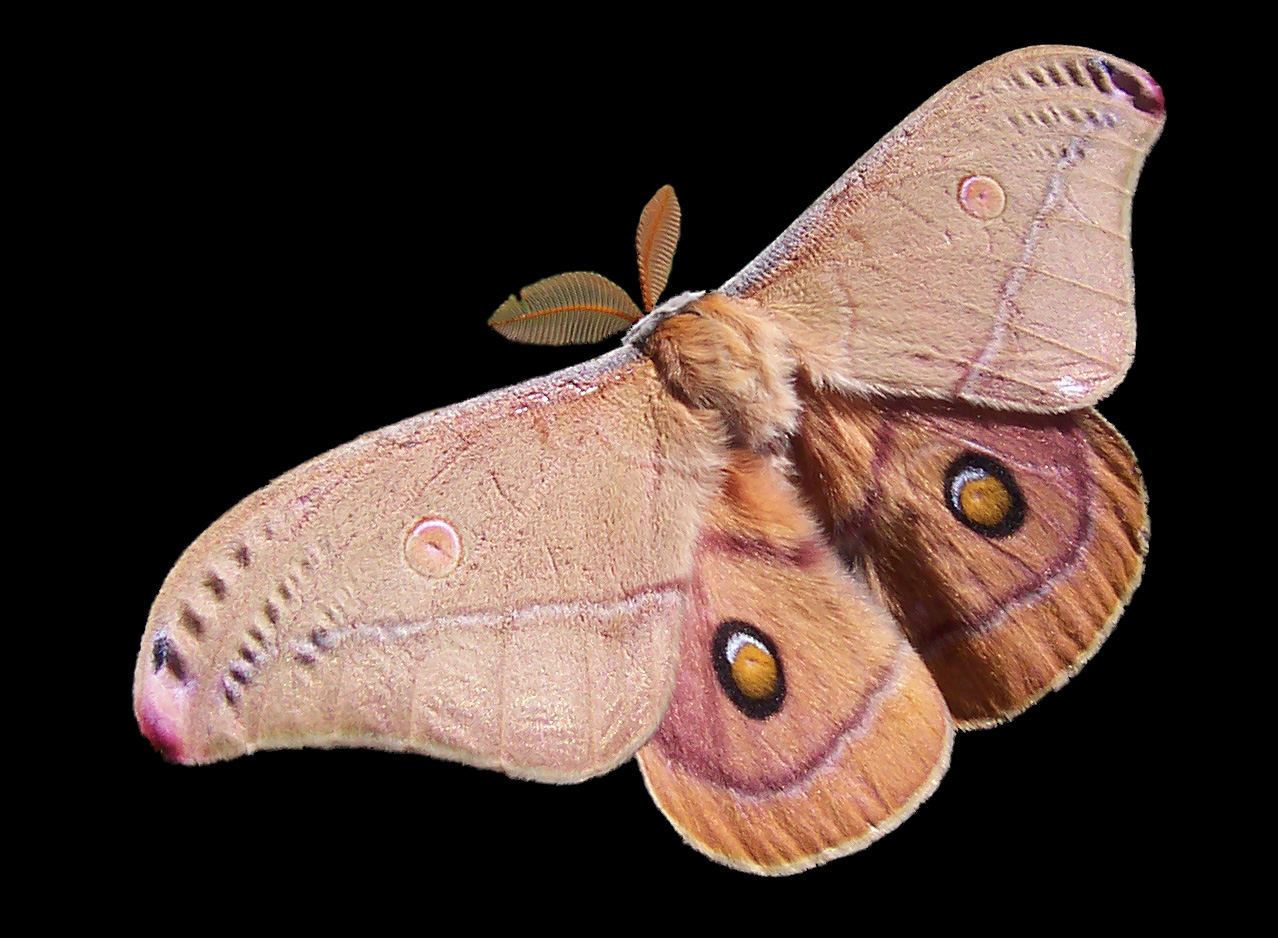
While journaling this morning, a huge moth came flying out from under the table and nearly knocked me in the face. Spring has sprung here up in the mountains. The bugs are finding new life. And vegan-me is working through what it means to live with compassionate care for ALL of God's creatures, including those "non-sentient" (aka "not able to feel or emotionally respond ") creatures, like moths and the summer dread up here at camp, mosquitoes.

Vegan values embrace compassionate care for all life, which means honoring all that God has made, including insects, bugs, and rodents. While it is easy to care for "sentient creatures" like cows and dogs, it often becomes a stretch to see the rationale in respecting those creatures that don't have emotional capacity, which are simply annoyances. For me, it is an issue of integrity, which is an important value in my life. Thus, I maintain true to my commitment to compassionate care for all of creation, respecting the life of the "non-sentient", and tolerating those pesky bugs that emerge as the spring warms into summer.

As Joanne Stepaniak writes, "For vegans, the issue isn't finding a reason not to kill but learning what it means to honor life." (Being Vegan, p. 31)

Luckily last summer (my first vegan summer), mosquitoes were not a problem, but it is still an exercise in restraint, not squashing one that has landed, ready to bite. I shake and blow instead, and it seems to work for me. And with bees during barbecues at the picnic area, I simply do not bother them and they do not bother me.

Inside, I am learning "compassionate bug capture" for those moths that get in and fruit flies that like my produce. I have a clear plastic cup, which I use to enclose them when they land on a wall or window. I then slip a piece of paper underneath to escort my "new friends" from my home to theirs, out the front door so they can fly and be free, and no longer bother me! Spiders I've learned to ignore, and luckily, I've not had to face ant swarms or rodent invasions in my place. If I do, you'll probably read it on the blog as I cross that ethical vegan dilemma when the time comes.

Though creatures like that are bothersome as the weather warms, I am thankful for the beauty of butterflies that also emerge this time of year. At times there will be one or two which accompany me on a run along portion of our back trails. As I reflect on their transformation from bug to butterfly, they remind me of the many ways my life has been transformed over the years, and I am thankful for the new beauty I see in me as I run.

There are lessons to learn about the Creator from all of creation, including those pesky insects. The author of Proverbs writes: "Four things on earth are small, yet they are extremely wise: Ants are creatures of little strength, yet they store up their food in the summer; coneys are creatures of little power, yet they make their home in the crags; locusts have no king, yet they advance together in ranks; a lizard can be caught with the hand, yet it is found in kings' palaces." (Proverbs 30:24-28)

Startled by the moth earlier this morning, I followed it with my eyes as it flew around a bit before settling and landing. I quietly and slowly found my "bug capture cup" and proceeded to gently but quickly surround it, which I did. I wiggled it around to get it off the ground as the paper slipped underneath. I escorted it out, and released it. "Fly and be free."

Though not as beautiful as the butterflies on the trail, moths too are transformed. With their abundance around camp, they remind me of the transformations, which continue to occur in my life, which are not big, bold, and beautiful, but take place in the mundane decisions of everyday life around here. As I reflect on those, vegan-me is thankful. God is good, as I choose to praise the Creator, even for insects and bugs. We'll see however how thankful I am for mosquitoes this season.

Sunday, April 27, 2008

No rush

When I began back in school earlier this year, I also began spending a few nights at my parent's home each week as public transportation to and from campus is readily accessible. As much as I am learning about Franciscan Creation Theology, I am also learning what it means to be an adult child living part-time with aging parents.

One key lesson I've learned in the past month: When on a run between 10-12 noon, "NO RUSH". If I complete a run and return home during those late morning hours, I am greeted by the voice of Rush Limbaugh and conservative political commentary blaring from the kitchen radio. If I slow down the run, I can quite literally, "avoid the Rush."

As vegan values emerge in my life, they are creating views regarding politics, religion, and food, which are very different from my parents, who often do not understand the reasons for some of my lifestyle choices, in spite my best attempts to explain them. While I respect my parents' perspectives, they are definitely not mine, and I have on a few occasions asked them if they were not listening (and especially not in the room), if I could turn off the radio, creating interesting conversation but also uneasy quiet.

Dinners each week continue to be an interesting experience as my dietary choices have shifted over the past year. Just this past week, as we sat down for dinner, I had a big bowl of greens topped with a raw vegan veggie curry (yummy) while my parents had rotisserie chicken, pasta, and zucchini. My mom put two pieces of chicken on her plate, and my dad's comment to her: "Is that ALL the meat you're taking?", implying of course that she should take more. Passive-aggressive? If you know my father, probably yeah.

In the midst of my dietary decisions, my mom does her best to understand and to support me. Yet I know from her passing comments that she does not always agree, especially when it comes to issues related to food and the environment as she has implied that she is still not convinced of global warming. I know I cannot change my parents perspectives (though I would like to). My desire is to help them understand mine.

Along with listening to Rush in the morning, my parents also read the newspaper. In looking through the paper this week with them, I discovered a new weekly food columnist, EcoChef, Aaron French. His first article: "Lower your carbon - cholesterol may follow."

Many of my parent's friends have high cholesterol and diabetes, which has created numerous opportunities over dinner for me to discuss diet, disease, and my dietary decisions with them. The EcoChef article clearly articulates the environmental connection with diet that they do not fully grasp, which is foundational to my vegan life. I shared it with my mom, who initially noticed the word, "carbon" (aka "carbon footprint" implying "global warming"), and gave me that "let's not go there" look.

I told her that the article reflects many of my perspectives on food and the environment, and that I wanted to keep it. She said to take it, but I asked her first to read it then save it for me. When I returned from my run at 12:05 pm, the kitchen was quiet, there was "no Rush", and the article was neatly folded on the table.

I have not yet asked my mom what she thought about the article. I am learning that with my parents, it is best not to push, but to be patient, to plant seeds, and to allow the process to naturally unfold. As I was officially accepted full-time this week into the Master of Theological Studies program at the Franciscan School of Theology, I know that over the next two years, there will be many more opportunities over dinner to talk. Thus, there is "no rush".

Sunday, March 9, 2008

Being vegan: M is for...

It is hard to believe, but nearly 4 years ago, I began my year-long decision to celebrate my 40th birthday "fit and 40". I accomplished that goal, and over the ensuing years, I now weigh in 50+ pounds lighter! I've kept the weight off, and have reached the "ideal runner's weight" for my height. I am continually improving as an athlete in distance running. I'm evolving as a vegan in my diet and lifestyle choices. I'm even enjoying my role as a resource and example of diet and exercise.

I am happier and healthier than I have ever been, and though it has required hard choices at times, the positive changes in my life have come because of discipline, self-control, and the fourth principle in veganism:
M is for MASTERY over oneself

Of God's many gifts to humanity, freewill is among the most precious -- a reflection of God's love, trust, and respect of us. Though a God-given blessing, freewill comes with responsibilities. Responsibilities come with choices, and choices come from our values. Values reflect that which is important to us, and are evidenced in our choices, how we live out our responsibilities and honor the God who loves and respected us enough in the beginning to have blessed us with the gift of freewill.

In the Garden of Eden, this gift was symbolized in the fruit on the Tree of the Knowledge of Good and Evil. The apostle Paul describes this gift as the Fruit of the Spirit in Galatians 2:22-23, which is love, joy, peace, patience, kindness, goodness, faithfulness, gentleness and self-control. Self-control is, I believe, the seed of freewill.

While we may be attracted to the exterior beauty of the fruit (love, joy, and peace), and while we can appreciate the taste of its inner essence (patience, kindness, and goodness), the core of the fruit (faithfulness, gentleness, and self-control) can quite literally be a "hard seed to crack".

We want what we want, and we want it now. We don't like to wait. We don't like being told no. We are selfish; our desires war within us, with mass media declaring that human passions have won. The excesses of contemporary American culture reflect a lack of restraint, discipline, and self-control. Obesity and consumerism are two values that dominant our indulgent lifestyle, as the world spins out of control, away from Eden. While the natural resources of earth are being depleted, the rich are overfed, while two-thirds of the human population continues to die of starvation. Something is not right.

We may feel like we're "victims", but when we blame others and point to the "snakes" in our world which have deceived us, we have begun our fall out of Paradise, away from grace. Self-centered choices stop the flow of God's blessing as we allow our desires to control, rather than our values.

For vegans, compassion is the highest value. For followers of Jesus, the highest value is love -- love of God, love of others, love of all that God loves and made. Life is good when the gift of God's freewill is exercised with self-control, in balanced compassionate harmony, with love for all God's creation. Life becomes bad, and turns downright evil when we indulge in selfish whims and assert dominant control over the natural order.

Michael Cusato writes, "Every creature -- human or otherwise -- has a God-given right to be sustained at the table of creation. However, human beings, accustomed to enjoying the abundance of the earth, all too often twist the munificence of God into an illusion of self-sufficiency. Forgetful of God and of the fact that the earth is ultimately God's possession, they begin thinking of themselves as possessors, acting as if creation were their own private possession intended for their use alone. Assuming that others think and act as they do, out of fear and insecurity they develop a spirit of acquisitiveness, hoarding for themselves what might be desperately needed by others. Such attitudes and actions... are violations of the intent of creation." (Francis of Assisi: History, Hagiography and Hermeneutics, p. 197-198)

The US, like the UK, suffers from what is called the "Three Planet Lifestyle". If the entire planet were to live like us, it would take three planets worth of natural resources to support it. Globally, that is impossible, and ethically, that is unacceptable.

"We urgently have to face the fact," says Paul King of World Wildlife Fund, "that we are all running up a serious ecological debt and that we cannot continue to exhaust the Earth's natural reserves without putting something back. It is time to make some vital choices, to enable people to enjoy a one planet lifestyle."

The gift of freewill is reflected in the everyday choices we make in what we eat and wear, how we live and relate. "By their fruit you will know them," Jesus says in Matthew 7:16. By our choices, people know who we are. Mastery over-self means we choose our tree and the fruit our lives will bear.

What type of tree are you? Are you a tree of life, celebrating the beautiful harmony of creation as it was in the beginning? Or are you a tree of death, out of harmony with God' natural order as you pursue selfish wants to feed the desires of endless passions?

As I blogged a few weeks ago, "Veganism and a vegetarian diet celebrate life by refraining from practices that harm animals, and seeking to live in harmony with all living beings." This is one reason why I continue to choose self-control in my diet and mastery of my living decisions. It is no longer about weight loss. It is about living simply so that others may simply live.

Joanne Stepaniak in Being Vegan writes, " Our dietary choices have more to do with tradition, culture, economics, politics, and availability than with some predetermined fate. It is time for our species to behave responsibility and select those foods that best sustain the earth, the animals, and ourselves." (p. 24).

It is choice. The choice is yours. May you choose wisely this day and every day.

Sunday, February 17, 2008

Being vegan: A is for...

As my vegan choices are becoming more "public", more questions are being asked about why I made that choice, what I eat, what I need. When I saw her this week, my goddaughter began to ask me what I do and do not eat now. While it is easy to say that I simply do not eat any animal products (or that I am on "an indefinite animal consumption" fast), there is more to being a vegan than dietary choices.

I was reminded of that as I've begun reading Joanne Stepaniak's book, "Being Vegan: Living with Conscience, Conviction, and Compassion".

Last week marked the start of the Lunar New Year, but it also ushered in the season of Lent, which began on Ash Wednesday, February 6th. Lent is a season of preparation, when the cold dark deadness of winter breaks forth with the warm new light and life of spring. It is also a time when many followers of Christ fast or abstain from something, so to feast on Someone (God) through the disciplines of sacrifice and prayer.

On the journey to Easter joy, I thought I'd use the next 6 weeks to share more about the principles of a vegan life, and to encourage you (if you've not already made a commitment) to fast this Lent from animal consumption. That might mean not eating meat, or cutting back on meat to once a day or once a week, or pursuing a strict vegetarian diet by not eating anything that comes from an animal source (including dairy, eggs, honey, and butter).

To begin... For a vegan:
A is for ABSTINENCE from animal products.

The popular conception of a vegan today is a person who simply does not eat animal products. A vegan diet is often regarded as one step more "severe" than a vegetarian diet, as all animal sourced food items are "off limits". In other words, vegetarians will eat eggs and cheese, vegans however do not. While this is true, the choice of a total plant-based diet really grows out of the larger vegan commitment.

Veganism grew out of the vegetarian movement in the 1940's. According to Stepaniak, "The term vegetarian was devised solely to describe diet -- nothing else. On the other hand, the term vegan encompasses far more than just what one eats. It is - and has always been - a philosophy of compassionate living, and this is a vital distinction." (p. 9)

In its Articles of Association, The Vegan Society in its conception, defined veganism as a "philosophy and way of living which seeks to exclude, as far as is possible and practical, all forms of exploitation of animals for food, clothing or any other purpose; and by extension, promotes the development and use of animal-free alternatives for the benefits of humans, animals, and the environment".

Stepaniak writes,
"Based on these explanations, the practice of veganism entails abstaining from the use of animal products in every aspect of daily living as much as is possible and practical. Although this includes what one eats, it also extends to all other types of consumables. In addition, vegan practice is coupled with the active pursuit of alternatives to commodities typically made from or with animal products or by-products, as well as the avoidance of animal exploitation and cruelty for any purpose" (p. 3).
Abstinence from animal products is the place where veganism often begins.

As a follower of Christ, I have discovered that "vegan values" under gird my desire to honor the Creator by caring for all that the Creator has made. Veganism embodies compassion for every living creature, and embraces responsible stewardship of earth's resources, built on the simple tenet - "Do the least harm, and the most good."

"In the beginning" of Genesis, a portrait of peace in creation is described which God the Creator deems as "good". We often gloss over it, but a plant-based diet is prescribed for humans and for animals in Genesis 1:29-30. It is this harmonious co-existence that God had made, not the creation of humans, I believe, which the Creator deems "very good" (1:31).

Animals were Adam's first companions, whom he names. As Mother Theresa has said, "They (animals), too, are created by the same loving Hand of God which created us.... it is our duty to protect them and to promote their well-being." With continuous reports of animal cruelty, and questionable food industry practices abstaining from any product that comes from an animal is one way to honor the God who has made all and is in all.

As Meister Eckhart has written, "God loves all creatures equally and fills them with His being, and we should lovingly meet all creatures the same way."

This Lent, may you consider reducing your use of an animal product as a sign of your commitment to love and to care for all the creatures God has made.
.

Saturday, December 29, 2007

What's a vegan to do?

I feel slightly devious, but what's a vegan to do?

I am visiting my sister and her family in Southern California. My sister and brother-in-law were to be at a party tonight, but because he is not feeling well, he stayed at home with me, my nephew, and one of my nieces while my sister headed to the party with the youngest of the three.

She fixed dinner before heading out - a pasta casserole with sausage topped with cheese, bread sticks, and an assortment of raw veggies. While the kids and their dad ate what mom prepared, I enjoyed leftover Indian saag tofu (a vegan version of my favorite Indian dish, saag paneer which I made earlier this week).

While my 7 year-old nephew began his meal devouring the fresh cut yellow bell peppers, my 5 year-old niece enjoyed her bread stick before tackling her raw carrots. When it came time to eat the casserole, both picked at it.

My brother-in-law made it very clear that he wanted both of his children to eat everything that was on their plate. My nephew wanting to get back to his legos finished the casserole, and ended his meal with the bread stick. My niece however continued to pick at the only thing left on her plate, the casserole. And as she picked, she picked out the sausage, much to the chagrin of her father.
- "Dear, I want you to eat everything, including your meat."
- "Daddy, I don't like the meat," she replied.
- "I want you to eat your meat."

As he walked back into the kitchen, that was that. As we cleaned around her, my niece continued to pick and sit there, and eventually she was alone.

My brother-in-law received a call from a friend who needed some medicine for their sick infant. Though he wasn't feeling well, he said he would drop it off. His last request before heading out the door = "I want you to finish everything on your plate. I want you to eat your meat."

An hour after dinner started, my niece was still at the table picking the meat out of her casserole. In between my lego creating with my nephew, I checked on her, and saw her neat little pile of meat grow. What to do?
- If I feed her (which I have done since she was a baby), she would eat everything, including the meat she did not want. Vegan-me would not feel comfortable doing that.
- If I let it slide and dismiss her from the table, I would undermine my brother-in-law's parental role and his desire for his daughter (who has never liked meat) to eat meat.

Though I love and respect my brother-in-law, I decided to intervene before he returned, and let my niece finish up the vegetarian meal she created by picking out the meat. I pushed aside all the rest of the meat, and separated out the noodles and sauce. "You don't have to eat the meat," I told her. "Just eat the noodles and you'll be done." And in a minute, she was ready to play.

During her 5 years of life, my niece has never liked eating meat, and she is not alone. ABC news reported this summer that an increasing number of young people are choosing a vegetarian diet, and research is showing that it is a healthy diet for growing kids.

Dr. Amy Joy Lanou in the Houston Chronicle (June 25, 2007) writes
According to the American Dietetics Association, there is no need to introduce any meats, eggs or dairy products into an infant, toddler or child's diet. Well-planned vegan and vegetarian diets not only provide all the nutrients necessary to support growth, they also promote good health in childhood and start disease prevention early.
Just think about the advantages of raising a child on a diet rich in fruits, vegetables, grains & legumes. Limiting or avoiding consumption of fish sticks & tuna sandwiches reduces mercury consumption and the resulting risk of cognitive and behavioral problems. Choosing nondairy milks such as rice, soy or oat milk significantly lowers consumption of saturated fat and growth hormones given to cows to increase milk production. Substituting vegan sausage for bacon or pork sausage increases healthy fiber & sidesteps fattening & artery-clogging animal fats.
That all sounds pretty darn responsible to me.
Sounds pretty responsible to me, too. So, I undermined my brother-in-law tonight. But when my niece doesn't want to eat the dead animal flesh on her plate, it's the only responsible thing a vegan can really do.
.

Sunday, December 16, 2007

Vegan: It's what's for dinner

Since becoming a vegan, eating over at friends' homes has been a learning process, both for the host and for me. Before my "conversion", the family cook would prepare some kind of meat, and that's what would be for dinner, for everyone at the table. Now, the process includes, "So, what do you eat these days?"

Typically, the meals served consist of "add-ons" for me -- vegan side dishes to complement what everyone else is eating. And typically, the reason for the "add-on" to the centerpiece meat dish is "the kids". For example, early last week, fettuccini with marinara was the "add-on" to go with the cheese ravioli, chicken cacciatore, and baked fish. And on Friday at a friend's birthday dinner, there was a well-stocked salad, but edamame was the "add-on" for me, as a substitute for the baked chicken.

Eating in the homes of friends, I've learned to not ask questions. I let the cook cook, and then eat whatever is served with no questions or complaints. We may talk about the butter, milk or eggs they added to the dish afterwards, but trying to educate a carnivore on a vegan diet while they're rushing around the kitchen is not the best way to maintain a friendship. I've grown accustomed to looking for "my dish", and appreciating my friends' "add-on" attempts to accommodate my dietary choice.

Thus, I was surprised last week when I had dinner with friends whom I've not seen for a while. They purchased a new home and invited me for dinner. The last time we shared a meal I was a carnivore and they were married with one child. Two more children and vegan-me later, she wanted to cook. Through email, she tried to wrap her mind around what I now eat.
- "Can I bring something?" I asked.
- "Sure, bring dessert, something simple like fruit or jello."
I referred her to my jello blog. What would I be eating for dinner?

When I arrived, she was busy in the kitchen chopping and mashing. Dad gave me the tour. While he took the youngest one (19 months) for a walk to get her to nap, I played with the two boys (ages 7 & 3). When dad returned, he asked the question I had been waiting for.
- "What's for dinner?"
- "Vegan shepherd pie" came the kitchen response.
I was waiting for the other dishes that would go with this vegan "add-on", but to my surprise, there weren't any. Vegan shepherd pie would be "what's for dinner"... for everyone.

And it was a dinner that was enjoyed by everyone. It was excellent! The oldest polished off his plate and scooped up seconds, while the youngest one managed to get more in her mouth than on her face. Dad, who didn't care for the texture of the topping, did like the vegetable-bean filling, and scooped under the cauliflower-millet mixture to get his seconds, and his thirds.
- "This is definitely going into the dinner rotation," mom announced.
- "With no topping on part of it, please" came dad's rebuttal.

It was only the 3 year old who wasn't in the mood to eat his dinner. My friends have raised their kids to eat what is served them. "They have a choice," my friend says. "They can choose to eat what mom has made or not, and if not, they can go to sleep hungry. It's their choice." And since the choice of "no dinner" is also a choice of "no dessert", the kids have learned to eat and enjoy what's on their plate.

Thus, with food still on his plate, and mom opening up for the other two kids the vegan chocolate chip cookies I brought, he finished what he needed to eat (with a little help from me, feeding him), and he enjoyed his cookie (and a second one, too!)

Since becoming a vegan, eating over at friends' homes has been a learning process. My hosts for dinner this past week learned that vegan meals are not only healthy, but yummy and easy to prepare. I learned that eating vegan doesn't need to be an "add-on" to a meal for carnivores. It can be the whole meal! Kids are not the only ones who eat what they have learned to eat.

Monday, October 29, 2007

When values collide

I am on an 8-day Franciscan Retreat at San Damiano in Danville, CA. We are studying Bonaventure's work, "The Journey of the Human Person into God". In preparation for this extended time away, I informed the coordinator of the retreat facility about my diet as a vegan. She was very understanding, and wanted to ensure that my physical needs were met while on this spiritual journey.

At our first meal, I was pleasantly surprised to find that the dining room had a table set aside with vegetarian/vegan items along with a tofu stir-fry as our entry. There has been peanut butter, whole wheat bread, fruit, and soy milk at every meal, oatmeal at breakfast, and for lunch one day, they even made homemade black bean burgers with fresh chili sauce. Yummy!

Meals were going very well during this retreat until dinner on day 4.

I was at the first table dismissed for dinner that evening. The veg option that night was a little slow coming out so I had to wait. After walking all afternoon I was hungry, so when the entry arrived (it looked like another tofu stir-fry), I scooped two large spoonfuls onto my plate without thinking or really looking. While in conversation with folks at the table, I took a bite and paused, then took a second bite and stopped, and thought, "Some thing does not taste right here." I looked carefully at what I had been eating and realized that my suspicions were correct.

What I thought were pieces of tofu were actually big chunks of fish!!

For the first 4 days of the retreat, we had been eating our meals in silence. This dinner on night 4 was a special celebration of our senses, and with the vow of silence lifted, everyone was talking and chatting, getting to know people, and enjoying the meal and special wines that were also served just for this occasion. Everyone was having a great time at that moment except me.

With the taste of fish in my mouth, a large serving covering nearly half my plate, and conversation swirling all around me, I found myself trying to quickly process an ethical quandary of what to do. (Drinking a glass of wine on an empty stomach also didn't help!)

I realized that for the first time, 2 important values were colliding in my life, and a decision of what to do needed to be made.
  • Do I not eat what was on my plate, and thus throw away the fish and honor my vegan commitment?
  • Or do I eat the fish on my plate, and thus honor my commitment to the environment and those who are hungry by not wasting food (aka not taking or using more than I need)?
"What to do? What to do?" I first acted on impulse, got up and asked the dining room staff if this was fish. They of course said, "Yes." I then asked if there were any other vegetarian or no meat options and they said, "No." This was the dinner entry they had.

"What to do? What to do?" I then went to Esther, our logistics person who works with the retreat center staff. As she was dismissing tables to the buffet line, I informed her that the vegetarian meal was fish and suggested that she let the other vegetarians know before others make the same mistake I did. She said she wasn't sure who the other veggies were, but she would keep it in mind. She said she would eventually talk to the kitchen staff about it.

"What to do? What to do?" What I wanted to do was eat. I was hungry. Thus, walking back to my seat, I decided since I was on retreat and out of my "normal routine", it would be best to "grin and bear it", and eat what was on my plate.

With each bite, however, I felt guilty and defeated. My vegan commitment was falling by the wayside at this meal. My hunger, my pride, my not wanting to appear wasteful, all the social pressure of the happy carnivores at the table enjoying their tri-tip -- it all contributed to my "falling off the wagon".

I felt like I had no choice, but in reality, I did. I could have made a peanut butter sandwich if I wanted something else to eat. Throwing all the fish away would have opened up a good conversation about the value of vegan/vegetarian diet. I could have asked the kitchen to provide something else for me to eat. I could have offered what I had not yet eaten to someone at the table. In retrospect, there were other choices, but I couldn't see them. (I blame that on the wine!)

Though I ate everything on my plate, I did not enjoy my meal which was to be a celebration of the sense of taste. As I put down my fork and breathed a sigh of relief that the ethical agony of eating this meal was over, I noticed that one of the kitchen staff came out with a plate and brought it to Esther. As a peso-vegetarian, she eats fish and was content with her veg option. She motioned to me as John walked my way with a huge plate of stir-fried veggies and tofu. Without even asking, he removed my empty plate, and said, "I hope this will be more to your liking."

With another full plate in front of me, I thus began my second dinner. Though I was initially hungry, I wasn't THAT hungry! Since plate one was eaten because of my desire not to waste food, I felt like plate two needed to be cleaned to honor that same conviction. I picked up the fork to eat again. I was very full by the time that second plate was empty, and like the first plate, I cleaned it but I didn't enjoy it. Something was bothering me.

The plate of fish was actually very tasty, but I could not savor it because I felt like I would be violating some great "vegan law" if I enjoyed eating the meat. The plate of stir-fry tofu was also very tasty, but I could not enjoy it because I was full, and felt like if I had controlled my hunger, not rushed to get to eating, and looked at what I was putting on my plate, I could have expressed my vegan needs to the kitchen, remained true to my vegan conviction, and would not have to overdose on a second plate of food.

We've been studying the writings of Bonaventure during this retreat. And for Bonaventure, everything comes in 3's. While I thought there were only 2 values colliding during the meal that evening, there really was a third.

The third value, which should really be my first value as I have been reminded of by Bonaventure and Francis of Assis during this retreat, is: God is our Summum Bonum (highest good). Or as we might say today: "God is good, all the time."

Bonaventure writes that when our "human desire is directed at nothing but the supreme Good, or that which leads to it or reflects that Good in a certain way, ... the power of choice leads to the highest Good (Summum Bonum)."
(The Journey of the Human Person Into God, chapter 3, paragraph 4).

Thus, even if I mistakenly eat meat and enjoy it, God is Summum Bonum. God will redeem what I have chosen, and make good that situation.
- Even if I waste a plate of food out of conviction, or even make a poor decision about what I put on my plate and in my mouth, God is still Summum Bonum.
- Even when values and convictions collide and I must make one choice of what to do, God is still Summum Bonum - whatever my decision.
- God is good all the time. And all the time God is good, and for that, I am thankful, for in all situations, I choose to give my Creator praise.
Even as a vegan, that is to be my first choice, my highest value.