


Today is Easter, the day we celebrate the hope we have as God's people, because of the resurrection of Jesus who was crucified, but was raised to new life by the power of God. The "good news" of Christ (the gospel) is the promise of life beyond death for those who place their trust in the God who raised Jesus from the grave. That is the message of Easter - a message of hope and healing for all that suffer, struggle, and toil under despair and oppression. God has not forgotten those God created and loves.
This is good news! And good news needs to be shared, an imperative which is echoed in the final principle of veganism. For a vegan:
A is for ADVANCEMENT of understanding and truth
When the light bulb of new insight clicks on, excitement overflows as we naturally share our discovery with others and advance the message of what we've come to believe.
The basic message of Christianity is that new life is possible for those who believe in the transforming power of God. To understand and to live the truth of this message, one must turn from the "old self" to the "new self", a lifestyle which follows after Jesus and nurtures a daily dependence on the love of God.
The basic message of veganism is that all life is precious. To understand and to live the truth of this message, one must consciously choose to live each day with conscience and conviction in compassion for all of creation.
As one's perspective of truth deepens, and as transformation occurs, opportunities open for new convictions to be shared. My decision to become a vegan, for example, grew out of my faith as a Christian, who desires to honor God by caring for all that God has made. The link I made between Christianity and veganism is a truth I now believe, which shapes how I live out my faith. To anyone who asks and is willing to listen, I share what I have learned.
My "vegan conversion" came in a fashion similar to my "Christian conversion". I made a decision for Christ on a bunk at summer camp in the summer of 1977. Lying in bed, I realized that God loved me, that I loved God, and that I was already trusting Christ. There was no reason not to make a commitment to follow him. Camp was simply the moment I decided that I would not turn back. Last summer as I was reading about the values of being a vegan, I literally woke up one day and realized that I was already choosing compassion in my diet and my purchases. I simply drew a line in the sand on my birthday to mark the moment when I decided that I would not go back.
Joanne Stepaniak in Being Vegan underscores my experience when she writes, "Most people who come to veganism feel jolted awake, as though they had been asleep at the wheel and are only now becoming conscious of the truth that has always surrounded them" (p. 66). As outlined in my first vegan-me blog, intellectually, spiritually, environmentally, practically, physically, politically, and ethically, I realized that a vegan lifestyle fits who I am, who I believe God is calling me to become.
With more people discovering that someone like me is now a vegan (someone who once loved sashimi, parmesan cheese, and prime rib cooked rare), the question comes up, "Why?" I am still learning how to respond in a way that reflects my understanding, my convictions, and the truths I have now come to believe, without being pushy or proud, or provoking guilt.
Stepaniak suggests a "brief and upbeat" answer, such as: "I believe in the value of all life and in not harming others. Since we can live healthfully and happily without eating of using animal products, there is no reason to do otherwise." (Being Vegan, p. 103)
The response I am beginning to give when asked, "Why vegan?":
"As a follower of Jesus, I believe I am called to care for creation and to be a good steward of the environment. Thus, I value all of life and desire to honor God by honoring all that God has made. Since I can live healthfully and happily without eating or using products that come from animals, there is no reason for me to do so."
Through this lenten series, I highlighted the 6 principles of a vegan life.
- A is for ABSTINENCE from animal products
- H is for HARMLESSNESS with reverence for life
- I is for INTEGRITY of thought, word, and deed
- M is for MASTERY over oneself
- S is for SERVICE to humanity, nature, and creation
- A is for ADVANCEMENT of understanding and truth
The 6 principles are an acronym spelling the Sanskrit word, "AHIMSA", which means "non-violence". As a rule of conduct that bars the killing or injuring of living beings, it is the guide for vegan living delineated by the American Vegan Society.
Though ahimsa is a philosophy common in eastern religions, I believe it reflects God's original intention in the Garden of Eden, and is prophesied as being restored in Isaiah 11:6-9 when the Christ comes. (Refer to H is for...) I have come to believe ahimsa is very much part of what it means to be "Christian" for it is rooted in love, God's love for all that God has made.
Referring to our communion with God, Henri Nouwen writes, "It's there that you receive the love which empowers you to take the way that Jesus has taken before you: a narrow way, a painful way, but the way that gives you true joy and peace and enables you to make the nonviolent love of God visible in this world." (Show Me the Way, p. 80. Emphasis added.)
The Easter message of Jesus is that beyond death, there is life for those who trust in the resurrection power of God. When I consider Jesus' suffering and death on the cross, I see the hope of ahimsa in the good news of Easter. Beyond death and violence, there is the promise of new life for those who would believe.
There is much violence in our world today, especially in the death of animals in the farm industry. While many vegans are animal activists, I am not, though the atrocities I read about in Fast Food Nation were pivotal in my vegan conversion. My hope is that through this blog and my sharing with others about the truth in veganism, the violent death of billions of God's creatures will not be in vain, but will be a wake up call, and give birth to a new vegan life in someone... may be someone like you!
This Easter, may the hope of new life overshadow the power of death, and be replaced with the compassionate love of non-violence for all the earth -- a truth found in ahimsa, veganism, as well as the gospel of Jesus the Christ. Amen.
Sunday, March 23, 2008

Sunday, March 16, 2008
Being vegan: S is for...
Today begins Holy Week - the final week of Jesus' earthly life, as we journey towards Easter in this season of Lent. One important event in Jesus' ministry, which is often overlooked in the remembrances of this week, is Maundy Thursday, when Jesus in the Upper Room washes the feet of his disciples.
In this simple act of service, Jesus shows his followers "the full extent of his love" (John 13:1), and then commissions them to follow his example and "do as I have done for you" (John 13:15). Serving others is the way we follow Jesus and show the full extent of our love for others. It is the core of Jesus' message and the reason we remember the gift of his life - his birth at Christmas, his death at the cross on Good Friday, and his resurrection and victory over death on Easter.
While giving our life in service of others is the call of the Christian life, veganism takes the understanding of service one step further in our next principle. For a vegan:
S is for SERVICE to humanity, nature, and creation
Vegans are committed to serving "others", but recognize that the "other" is not just a member of humanity, but includes every living creature on planet earth, our common home. Veganism embraces a reverence for all of life, and considers all life (not just the lives of "rational beings") as sacred and worthy of respect, love, service, and protection.
As a follower of Jesus, I have come to believe that this vegan principle is very much in line with the call of Christ. When Jesus taught his followers to pray "Our Father", he opened up a whole network of relationships, not just with humanity, but with all that has been created and finds its being in God.
In his 13th century Canticle of Creation, St. Francis of Assisi praises God with Brother Sun, Sister Moon, Brother Air, Sister Water, Brother Fire, and Sister Earth. While the heavens declare God's glory, humanity is simply one member of the creation choir called to praise the Creator.
Unfortunately, in our pride and desire for control, human society has lost sight of its rightful place in the natural world as "caretakers of the garden". Only when we recognize that we are finite creatures, with temporary residence on planet earth, will humility be birthed, and service in the name of Jesus can begin. We are members of a cosmic family, created by God the Father, united in love through the Spirit, and called by Jesus the Christ to love and to serve all that God has made, everything which reflects the glory and beauty of the One who is all and is in all.
"A bond exists between all things," says Luther Standing Bear, Lakota Chief of the Oglala, "because they all drink the same water and breathe the same air." Or as Henri Nouwen writes, "For him who has become close to God, all is one. Only God counts, and in God all people and all things are embraced with love." (Show Me the Way, p. 97)
For the followers of Jesus, the act of washing feet vividly portrays the essence of what it means to serve and to love. First, we lay aside our own needs. We then kneel in humility to tend to the needs of the other.
Because we must first abstain from our own wants (the first vegan principle) and master our own desires (the fourth), serving others is never easy. Yet in our humanity, it is easier for us to recognize the needs of our human brothers and sisters than the needs of our extended cosmic family. This is where servanthood often begins - washing feet, tending to basic human needs, like feeding the poor, providing clean water, caring for the sick, tutoring a child, freeing the enslaved, providing an encouraging word, making a charity donation, lending a hand, being a friend. We are familiar with such base needs because they are also our own.
In our service of nature and creation, however, we are not as aware of needs -- or at least, not yet. Once upon a time, humanity lived in harmony with nature, but unfortunately in this new millennium, our world bears the scars of imbalance because of the human drive for control, power, and domination. Global warming, climate change, acid rain, air pollution, water pollution, deforestation, endangered species, species extinction, animal exploitation -- all are common terms today, which were unheard of a generation ago.
It does not take a degree in biology (which I do not have) to recognize that something is terribly wrong in our world. Something needs to be done! To take action to preserve the environment is, I believe, how we serve.
We serve nature and creation when we
- replace incandescent light bulbs with fluorescent,
- walk and not drive,
- conserve heat and water,
- refuse, reuse, reduce, recycle,
- make a lifestyle change to lessen our carbon footprint,
- write a letter of environmental advocacy to an elected official,
- buy local and organic,
- read and raise aware of the global devastation of climate change,
- and of course, we serve God and honor the members of our animal family best when we choose a plant-based vegan diet!
My prayer is that we would each grow in our love of God, and grow in love for your neighbors by serving, not just humanity, but the "other neighbors" as well that live in the beauty of our communities, on this home we call planet earth.
"I do not think that the measure of a civilization is how tall its buildings of concrete are, but rather how well its people have learned to relate to their environment and fellow human being." (Sun Bear, Chippewa medicine man)
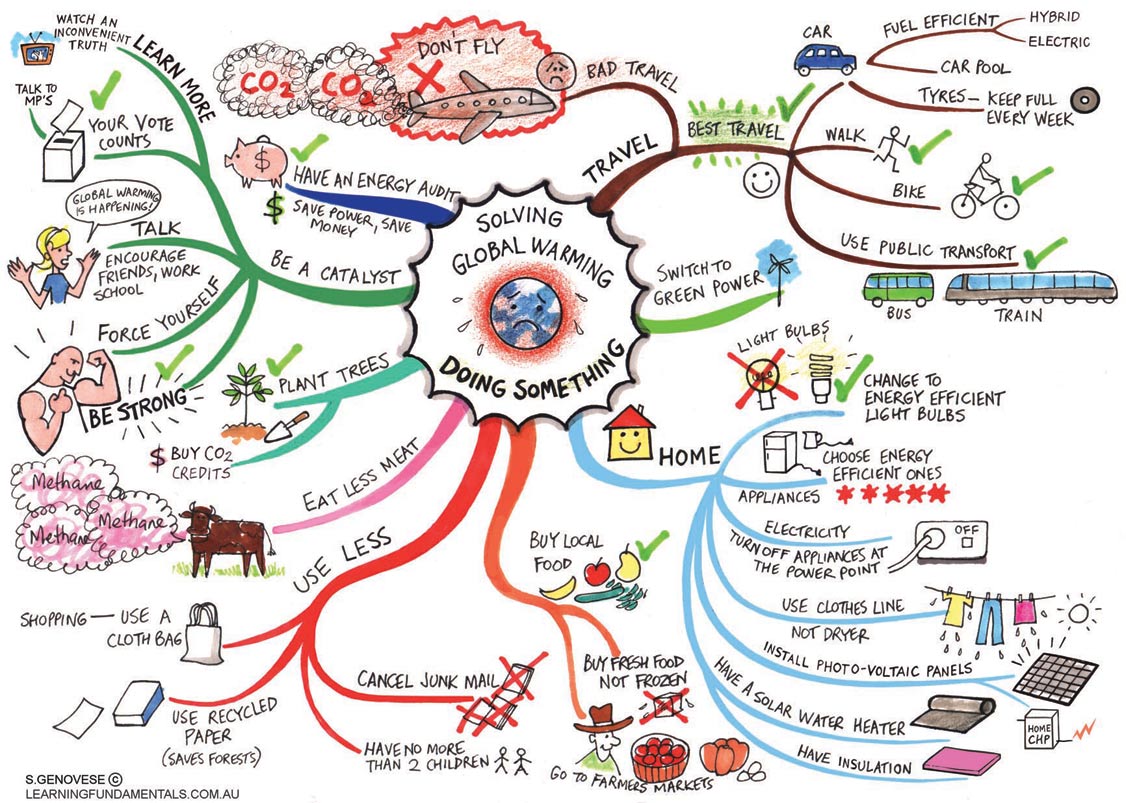
Here are some suggestions of what you can do to combat global warming...
In this simple act of service, Jesus shows his followers "the full extent of his love" (John 13:1), and then commissions them to follow his example and "do as I have done for you" (John 13:15). Serving others is the way we follow Jesus and show the full extent of our love for others. It is the core of Jesus' message and the reason we remember the gift of his life - his birth at Christmas, his death at the cross on Good Friday, and his resurrection and victory over death on Easter.
While giving our life in service of others is the call of the Christian life, veganism takes the understanding of service one step further in our next principle. For a vegan:
S is for SERVICE to humanity, nature, and creation
Vegans are committed to serving "others", but recognize that the "other" is not just a member of humanity, but includes every living creature on planet earth, our common home. Veganism embraces a reverence for all of life, and considers all life (not just the lives of "rational beings") as sacred and worthy of respect, love, service, and protection.
As a follower of Jesus, I have come to believe that this vegan principle is very much in line with the call of Christ. When Jesus taught his followers to pray "Our Father", he opened up a whole network of relationships, not just with humanity, but with all that has been created and finds its being in God.
In his 13th century Canticle of Creation, St. Francis of Assisi praises God with Brother Sun, Sister Moon, Brother Air, Sister Water, Brother Fire, and Sister Earth. While the heavens declare God's glory, humanity is simply one member of the creation choir called to praise the Creator.
Unfortunately, in our pride and desire for control, human society has lost sight of its rightful place in the natural world as "caretakers of the garden". Only when we recognize that we are finite creatures, with temporary residence on planet earth, will humility be birthed, and service in the name of Jesus can begin. We are members of a cosmic family, created by God the Father, united in love through the Spirit, and called by Jesus the Christ to love and to serve all that God has made, everything which reflects the glory and beauty of the One who is all and is in all.
"A bond exists between all things," says Luther Standing Bear, Lakota Chief of the Oglala, "because they all drink the same water and breathe the same air." Or as Henri Nouwen writes, "For him who has become close to God, all is one. Only God counts, and in God all people and all things are embraced with love." (Show Me the Way, p. 97)
For the followers of Jesus, the act of washing feet vividly portrays the essence of what it means to serve and to love. First, we lay aside our own needs. We then kneel in humility to tend to the needs of the other.
Because we must first abstain from our own wants (the first vegan principle) and master our own desires (the fourth), serving others is never easy. Yet in our humanity, it is easier for us to recognize the needs of our human brothers and sisters than the needs of our extended cosmic family. This is where servanthood often begins - washing feet, tending to basic human needs, like feeding the poor, providing clean water, caring for the sick, tutoring a child, freeing the enslaved, providing an encouraging word, making a charity donation, lending a hand, being a friend. We are familiar with such base needs because they are also our own.
In our service of nature and creation, however, we are not as aware of needs -- or at least, not yet. Once upon a time, humanity lived in harmony with nature, but unfortunately in this new millennium, our world bears the scars of imbalance because of the human drive for control, power, and domination. Global warming, climate change, acid rain, air pollution, water pollution, deforestation, endangered species, species extinction, animal exploitation -- all are common terms today, which were unheard of a generation ago.
It does not take a degree in biology (which I do not have) to recognize that something is terribly wrong in our world. Something needs to be done! To take action to preserve the environment is, I believe, how we serve.
We serve nature and creation when we
- replace incandescent light bulbs with fluorescent,
- walk and not drive,
- conserve heat and water,
- refuse, reuse, reduce, recycle,
- make a lifestyle change to lessen our carbon footprint,
- write a letter of environmental advocacy to an elected official,
- buy local and organic,
- read and raise aware of the global devastation of climate change,
- and of course, we serve God and honor the members of our animal family best when we choose a plant-based vegan diet!
My prayer is that we would each grow in our love of God, and grow in love for your neighbors by serving, not just humanity, but the "other neighbors" as well that live in the beauty of our communities, on this home we call planet earth.
"I do not think that the measure of a civilization is how tall its buildings of concrete are, but rather how well its people have learned to relate to their environment and fellow human being." (Sun Bear, Chippewa medicine man)
Here are some suggestions of what you can do to combat global warming...
Sunday, March 9, 2008
Being vegan: M is for...
It is hard to believe, but nearly 4 years ago, I began my year-long decision to celebrate my 40th birthday "fit and 40". I accomplished that goal, and over the ensuing years, I now weigh in 50+ pounds lighter! I've kept the weight off, and have reached the "ideal runner's weight" for my height. I am continually improving as an athlete in distance running. I'm evolving as a vegan in my diet and lifestyle choices. I'm even enjoying my role as a resource and example of diet and exercise.
I am happier and healthier than I have ever been, and though it has required hard choices at times, the positive changes in my life have come because of discipline, self-control, and the fourth principle in veganism:
M is for MASTERY over oneself
Of God's many gifts to humanity, freewill is among the most precious -- a reflection of God's love, trust, and respect of us. Though a God-given blessing, freewill comes with responsibilities. Responsibilities come with choices, and choices come from our values. Values reflect that which is important to us, and are evidenced in our choices, how we live out our responsibilities and honor the God who loves and respected us enough in the beginning to have blessed us with the gift of freewill.
In the Garden of Eden, this gift was symbolized in the fruit on the Tree of the Knowledge of Good and Evil. The apostle Paul describes this gift as the Fruit of the Spirit in Galatians 2:22-23, which is love, joy, peace, patience, kindness, goodness, faithfulness, gentleness and self-control. Self-control is, I believe, the seed of freewill.
While we may be attracted to the exterior beauty of the fruit (love, joy, and peace), and while we can appreciate the taste of its inner essence (patience, kindness, and goodness), the core of the fruit (faithfulness, gentleness, and self-control) can quite literally be a "hard seed to crack".
We want what we want, and we want it now. We don't like to wait. We don't like being told no. We are selfish; our desires war within us, with mass media declaring that human passions have won. The excesses of contemporary American culture reflect a lack of restraint, discipline, and self-control. Obesity and consumerism are two values that dominant our indulgent lifestyle, as the world spins out of control, away from Eden. While the natural resources of earth are being depleted, the rich are overfed, while two-thirds of the human population continues to die of starvation. Something is not right.
We may feel like we're "victims", but when we blame others and point to the "snakes" in our world which have deceived us, we have begun our fall out of Paradise, away from grace. Self-centered choices stop the flow of God's blessing as we allow our desires to control, rather than our values.
For vegans, compassion is the highest value. For followers of Jesus, the highest value is love -- love of God, love of others, love of all that God loves and made. Life is good when the gift of God's freewill is exercised with self-control, in balanced compassionate harmony, with love for all God's creation. Life becomes bad, and turns downright evil when we indulge in selfish whims and assert dominant control over the natural order.
Michael Cusato writes, "Every creature -- human or otherwise -- has a God-given right to be sustained at the table of creation. However, human beings, accustomed to enjoying the abundance of the earth, all too often twist the munificence of God into an illusion of self-sufficiency. Forgetful of God and of the fact that the earth is ultimately God's possession, they begin thinking of themselves as possessors, acting as if creation were their own private possession intended for their use alone. Assuming that others think and act as they do, out of fear and insecurity they develop a spirit of acquisitiveness, hoarding for themselves what might be desperately needed by others. Such attitudes and actions... are violations of the intent of creation." (Francis of Assisi: History, Hagiography and Hermeneutics, p. 197-198)
The US, like the UK, suffers from what is called the "Three Planet Lifestyle". If the entire planet were to live like us, it would take three planets worth of natural resources to support it. Globally, that is impossible, and ethically, that is unacceptable.
"We urgently have to face the fact," says Paul King of World Wildlife Fund, "that we are all running up a serious ecological debt and that we cannot continue to exhaust the Earth's natural reserves without putting something back. It is time to make some vital choices, to enable people to enjoy a one planet lifestyle."
The gift of freewill is reflected in the everyday choices we make in what we eat and wear, how we live and relate. "By their fruit you will know them," Jesus says in Matthew 7:16. By our choices, people know who we are. Mastery over-self means we choose our tree and the fruit our lives will bear.
What type of tree are you? Are you a tree of life, celebrating the beautiful harmony of creation as it was in the beginning? Or are you a tree of death, out of harmony with God' natural order as you pursue selfish wants to feed the desires of endless passions?
As I blogged a few weeks ago, "Veganism and a vegetarian diet celebrate life by refraining from practices that harm animals, and seeking to live in harmony with all living beings." This is one reason why I continue to choose self-control in my diet and mastery of my living decisions. It is no longer about weight loss. It is about living simply so that others may simply live.
Joanne Stepaniak in Being Vegan writes, " Our dietary choices have more to do with tradition, culture, economics, politics, and availability than with some predetermined fate. It is time for our species to behave responsibility and select those foods that best sustain the earth, the animals, and ourselves." (p. 24).
It is choice. The choice is yours. May you choose wisely this day and every day.
I am happier and healthier than I have ever been, and though it has required hard choices at times, the positive changes in my life have come because of discipline, self-control, and the fourth principle in veganism:
M is for MASTERY over oneself
Of God's many gifts to humanity, freewill is among the most precious -- a reflection of God's love, trust, and respect of us. Though a God-given blessing, freewill comes with responsibilities. Responsibilities come with choices, and choices come from our values. Values reflect that which is important to us, and are evidenced in our choices, how we live out our responsibilities and honor the God who loves and respected us enough in the beginning to have blessed us with the gift of freewill.
In the Garden of Eden, this gift was symbolized in the fruit on the Tree of the Knowledge of Good and Evil. The apostle Paul describes this gift as the Fruit of the Spirit in Galatians 2:22-23, which is love, joy, peace, patience, kindness, goodness, faithfulness, gentleness and self-control. Self-control is, I believe, the seed of freewill.
While we may be attracted to the exterior beauty of the fruit (love, joy, and peace), and while we can appreciate the taste of its inner essence (patience, kindness, and goodness), the core of the fruit (faithfulness, gentleness, and self-control) can quite literally be a "hard seed to crack".
We want what we want, and we want it now. We don't like to wait. We don't like being told no. We are selfish; our desires war within us, with mass media declaring that human passions have won. The excesses of contemporary American culture reflect a lack of restraint, discipline, and self-control. Obesity and consumerism are two values that dominant our indulgent lifestyle, as the world spins out of control, away from Eden. While the natural resources of earth are being depleted, the rich are overfed, while two-thirds of the human population continues to die of starvation. Something is not right.
We may feel like we're "victims", but when we blame others and point to the "snakes" in our world which have deceived us, we have begun our fall out of Paradise, away from grace. Self-centered choices stop the flow of God's blessing as we allow our desires to control, rather than our values.
For vegans, compassion is the highest value. For followers of Jesus, the highest value is love -- love of God, love of others, love of all that God loves and made. Life is good when the gift of God's freewill is exercised with self-control, in balanced compassionate harmony, with love for all God's creation. Life becomes bad, and turns downright evil when we indulge in selfish whims and assert dominant control over the natural order.
Michael Cusato writes, "Every creature -- human or otherwise -- has a God-given right to be sustained at the table of creation. However, human beings, accustomed to enjoying the abundance of the earth, all too often twist the munificence of God into an illusion of self-sufficiency. Forgetful of God and of the fact that the earth is ultimately God's possession, they begin thinking of themselves as possessors, acting as if creation were their own private possession intended for their use alone. Assuming that others think and act as they do, out of fear and insecurity they develop a spirit of acquisitiveness, hoarding for themselves what might be desperately needed by others. Such attitudes and actions... are violations of the intent of creation." (Francis of Assisi: History, Hagiography and Hermeneutics, p. 197-198)
The US, like the UK, suffers from what is called the "Three Planet Lifestyle". If the entire planet were to live like us, it would take three planets worth of natural resources to support it. Globally, that is impossible, and ethically, that is unacceptable.
"We urgently have to face the fact," says Paul King of World Wildlife Fund, "that we are all running up a serious ecological debt and that we cannot continue to exhaust the Earth's natural reserves without putting something back. It is time to make some vital choices, to enable people to enjoy a one planet lifestyle."
The gift of freewill is reflected in the everyday choices we make in what we eat and wear, how we live and relate. "By their fruit you will know them," Jesus says in Matthew 7:16. By our choices, people know who we are. Mastery over-self means we choose our tree and the fruit our lives will bear.
What type of tree are you? Are you a tree of life, celebrating the beautiful harmony of creation as it was in the beginning? Or are you a tree of death, out of harmony with God' natural order as you pursue selfish wants to feed the desires of endless passions?
As I blogged a few weeks ago, "Veganism and a vegetarian diet celebrate life by refraining from practices that harm animals, and seeking to live in harmony with all living beings." This is one reason why I continue to choose self-control in my diet and mastery of my living decisions. It is no longer about weight loss. It is about living simply so that others may simply live.
Joanne Stepaniak in Being Vegan writes, " Our dietary choices have more to do with tradition, culture, economics, politics, and availability than with some predetermined fate. It is time for our species to behave responsibility and select those foods that best sustain the earth, the animals, and ourselves." (p. 24).
It is choice. The choice is yours. May you choose wisely this day and every day.
Sunday, March 2, 2008
Being vegan: I is for...
An oxymoron is a figure of speech that combines two normally contradictory terms. It is a phrase that makes you go, "hmm" as you consider the meaning of each separate word. Some familiar oxymorons: "jumbo shrimp", "pretty ugly", "silent scream", and everyone's favorite, "Microsoft works".
Though technically not "oxymorons", Joanne Stepaniak considers a few paradoxes in her book, Being Vegan that cause you to pause and think:
- consumers who purchase dolphin-safe tuna (what about tuna safety?)
- a bird-watcher who eats poultry
- an antiabortionist who supports capital punishment
- an animal rights activist who wears leather shoes
There is a degree of irony, she suggests, when compassion is selectively applied.
"The vegan ethic," Stepaniak writes, "applies compassion indiscriminately. In theory, vegans are concerned about every group or individual who is exploited, human or nonhuman." (p. 52) The challenge is taking that theory, and applying it to one's daily decisions.
While everyone has blind spots, vegans strive to recognize their own, and then to do something about them, because the third core principle of veganism:
I is for INTEGRITY of thought, word, and deed
Integrity is about consistency -- consistency in what a person thinks, says, and does. Integrity calls us to watch for blind spots so that no one will go "Hmm" if they were to observe our lives. Integrity is rooted in one's character, and character is "who you are when no one (but God) is watching."
In his ministry, Jesus confronted the hypocrisy he witnessed in people, especially "religious-types", who articulated high moral values but failed to live them out. "Simply let your 'Yes' be 'Yes,' and your 'No,' 'No'," Jesus said in Matthew 5:37. Do what you say. Say what you do. Consistency in character is the call for one who claims to follow Christ.
It was a year ago that I made the transition in my diet from "occasional meat eater" to "vegetarian". As my convictions were forming about why a non-meat diet was healthful for me and helpful for the environment, I came to believe that if I were to continue eating meat, I would need (I journaled) "a rationale for why I may choose meat so it does not appear to simply be at random." Finding no good reason, I was soon selecting non-meat dishes every meal. As I continued to read and to research vegetarianism and veganism, the transition to an animal-free diet (no dairy, eggs, et al) and then to an animal-free lifestyle was a logical journey of personal integrity based in compassion.
Stepaniak writes, "Compassion, according to vegan principles, accords no hierarchy of lesser or greater value to any living being. To vegans, all life is equally precious." (p. 88) And as a follower of Jesus, that is foundational to my values, too.
Much of my vegan journey has been rooted in the question = WHY? Why do I need to eat this? Why do I need to purchase this? Why do I believe this? Why do I value that? If there is a more compassionate alternative which would extend care to creation, cut down my carbon footprint, love others, and honor God, then why would I NOT want to do that?
I still have my vegan blind spots, about which I have blogged. My dietary exceptions (including chocolate cake) are one area, but there are others. I wrestle with what those exceptions and blind spots suggest to others, and how they impact my integrity as a vegan. My journey continues.
I'm taking a course at the Franciscan School of Theology this semester. I'm prayerfully considering a full-time return to seminary. The more I learn about Saint Francis of Assisi, the more I am drawn to Franciscan creation theology and eco-spirituality. Because of his love for God the Creator, Francis lived in harmony with all creation and because of his love for Jesus the Christ, he lived in the fullness of the gospel, the poverty that is found in full dependence on God. The patron saint of animals and ecology was a man of deep integrity.

In The Life of Saint Francis, Julian of Speyer notes, "Since he traced all things back to their beginning, he called every creature 'brother,' and, in his own praises, continuously invited all creatures to praise their one common Creator." (p. 401) For Francis, the key to his integrity was living in God's original intention at creation, which I highlighted last week.
"As it was in the beginning is now and will be forever" is a common phrase in the praises attributed to St. Francis. As I strive to live as a vegan follower of Christ, I find this an inspiration for my integrity = To live each day in the Garden principle of "harmlessness", envisioned by the prophet Isaiah to be re-established with the return of the Christ. "As it was in the beginning is now and will be forever."
"There is an incredibly rewarding sense of peace and satisfaction in knowing that we are doing the best we can for those most in need," writes Stepaniak. "The outcome is irrelevant because, if we embody our ethics, the influence of our short presence on this earth will continue its effects long after we are gone." (p. 60)
As you journey with integrity this Lenten season, may you in the end be found faithful.
Though technically not "oxymorons", Joanne Stepaniak considers a few paradoxes in her book, Being Vegan that cause you to pause and think:
- consumers who purchase dolphin-safe tuna (what about tuna safety?)
- a bird-watcher who eats poultry
- an antiabortionist who supports capital punishment
- an animal rights activist who wears leather shoes
There is a degree of irony, she suggests, when compassion is selectively applied.
"The vegan ethic," Stepaniak writes, "applies compassion indiscriminately. In theory, vegans are concerned about every group or individual who is exploited, human or nonhuman." (p. 52) The challenge is taking that theory, and applying it to one's daily decisions.
While everyone has blind spots, vegans strive to recognize their own, and then to do something about them, because the third core principle of veganism:
I is for INTEGRITY of thought, word, and deed
Integrity is about consistency -- consistency in what a person thinks, says, and does. Integrity calls us to watch for blind spots so that no one will go "Hmm" if they were to observe our lives. Integrity is rooted in one's character, and character is "who you are when no one (but God) is watching."
In his ministry, Jesus confronted the hypocrisy he witnessed in people, especially "religious-types", who articulated high moral values but failed to live them out. "Simply let your 'Yes' be 'Yes,' and your 'No,' 'No'," Jesus said in Matthew 5:37. Do what you say. Say what you do. Consistency in character is the call for one who claims to follow Christ.
It was a year ago that I made the transition in my diet from "occasional meat eater" to "vegetarian". As my convictions were forming about why a non-meat diet was healthful for me and helpful for the environment, I came to believe that if I were to continue eating meat, I would need (I journaled) "a rationale for why I may choose meat so it does not appear to simply be at random." Finding no good reason, I was soon selecting non-meat dishes every meal. As I continued to read and to research vegetarianism and veganism, the transition to an animal-free diet (no dairy, eggs, et al) and then to an animal-free lifestyle was a logical journey of personal integrity based in compassion.
Stepaniak writes, "Compassion, according to vegan principles, accords no hierarchy of lesser or greater value to any living being. To vegans, all life is equally precious." (p. 88) And as a follower of Jesus, that is foundational to my values, too.
Much of my vegan journey has been rooted in the question = WHY? Why do I need to eat this? Why do I need to purchase this? Why do I believe this? Why do I value that? If there is a more compassionate alternative which would extend care to creation, cut down my carbon footprint, love others, and honor God, then why would I NOT want to do that?
I still have my vegan blind spots, about which I have blogged. My dietary exceptions (including chocolate cake) are one area, but there are others. I wrestle with what those exceptions and blind spots suggest to others, and how they impact my integrity as a vegan. My journey continues.
I'm taking a course at the Franciscan School of Theology this semester. I'm prayerfully considering a full-time return to seminary. The more I learn about Saint Francis of Assisi, the more I am drawn to Franciscan creation theology and eco-spirituality. Because of his love for God the Creator, Francis lived in harmony with all creation and because of his love for Jesus the Christ, he lived in the fullness of the gospel, the poverty that is found in full dependence on God. The patron saint of animals and ecology was a man of deep integrity.
In The Life of Saint Francis, Julian of Speyer notes, "Since he traced all things back to their beginning, he called every creature 'brother,' and, in his own praises, continuously invited all creatures to praise their one common Creator." (p. 401) For Francis, the key to his integrity was living in God's original intention at creation, which I highlighted last week.
"As it was in the beginning is now and will be forever" is a common phrase in the praises attributed to St. Francis. As I strive to live as a vegan follower of Christ, I find this an inspiration for my integrity = To live each day in the Garden principle of "harmlessness", envisioned by the prophet Isaiah to be re-established with the return of the Christ. "As it was in the beginning is now and will be forever."
"There is an incredibly rewarding sense of peace and satisfaction in knowing that we are doing the best we can for those most in need," writes Stepaniak. "The outcome is irrelevant because, if we embody our ethics, the influence of our short presence on this earth will continue its effects long after we are gone." (p. 60)
As you journey with integrity this Lenten season, may you in the end be found faithful.
Sunday, February 24, 2008
Being vegan: H is for...
News of the largest US beef recall last week brought to the national spotlight the abuses endured by animals in today's meat industry. Though these reports and horrific images are now fading from the media and the minds of mainstream America, reports of animal cruelty continue, and I find my commitment to the first of 6 vegan principles -- ABSTINENCE from animal products strengthened.
In light of the reported 143 million pounds of recalled beef this past week, and the 10 billion animals raised and slaughtered in the US each year for food, the second principle for a vegan...
H is for HARMLESSNESS with reverence for life
Though this may sound crude and possibly offensive to some, the primary focus of the meat industry is essentially -- death. Animals are viewed as raw materials, commodities, and product, slaughtered en masse for human consumption in the name of food.
Carol Adams in her book, Living Among Meat Eaters, notes that while a meat-eating world organizes itself around death, it is a plant-based world that organizes itself around life (p. 217). Veganism and a vegetarian diet celebrate life by refraining from practices that harm animals, and seeking to live in harmony with all living beings.
According to Joanne Stepaniak, a vegan is "a person who is committed to and practices reverence and respect for all life" (Being Vegan, p. 5). This begins in a vegan's dietary choices, but must extend to all of life's decisions, choosing to "Do the least harm and the most good".
As William Blake has said, "everything that lives is holy, life delights in life." Veganism delights in life, and as I desire to honor my Creator, veganism helps me see evidence of God's holy presence in all things. There is harmony and a "harmlessness" in vegan principles, as veganism is a lifestyle choice of peace, with reverence and awe for all that lives, moves, and breathes.
An unrealistic utopian vision? It should not be for those who put their hope in God! A vision of peaceful co-existence is found in God's Word, the Bible, the holy promises and premises of God.
Genesis paints a portrait of life in the Garden of Eden where all of God's creatures live in harmony, humanity included. Though humankind is given "dominion" over animals (or "rule" in some translations), it is not a "lording it over them". As the Christian Vegetarian Association explains, dominion is a "sacred stewardship, since God immediately afterward prescribed a vegetarian diet in a world God found 'very good'. Created in God's image of love, we are called to be caretakers of God's Creation, not tyrants over God's creatures".
Prophecies in Isaiah 11:6-9 (NCV) envision a return to that peaceful creation harmony. "Then wolves will live in peace with lambs, and leopards will lie down to rest with goats. Calves, lions, and young bulls will eat together, and a little child will lead them. Cows and bears will eat together in peace. Their young will lie down to rest together. Lions will eat hay as oxen do. A baby will be able to play near a cobra's hole, and a child will be able to put his hand into the nest of a poisonous snake. They will not hurt or destroy each other on all my holy mountain, because the earth will be full of the knowledge of the Lord, as the sea is full of water."
When will this take place? When "the root of Jesse" (aka "the Christ") returns as a banner of hope for the people (Isaiah 11:10). Jesus is the Promised One who will reestablish this peaceable kingdom.
Thus, for those who trust in Jesus and call Him Lord, I believe there is a call to choose the harmlessness found in veganism and a plant-based diet. We are to revere life, love all, and re-claim the peace God had originally intended in creation. That for me is "the full knowledge of the Lord", which is to cover the earth, a vision of divine encompassing love.
As we prepare to celebrate new life this Easter, may you choose life over death this Lenten season, by reducing your use of an animal product. And besides, if lions are going to eat hay in the new kingdom, you might find yourself blessed consuming a plant-based diet too!
In light of the reported 143 million pounds of recalled beef this past week, and the 10 billion animals raised and slaughtered in the US each year for food, the second principle for a vegan...
H is for HARMLESSNESS with reverence for life
Though this may sound crude and possibly offensive to some, the primary focus of the meat industry is essentially -- death. Animals are viewed as raw materials, commodities, and product, slaughtered en masse for human consumption in the name of food.
Carol Adams in her book, Living Among Meat Eaters, notes that while a meat-eating world organizes itself around death, it is a plant-based world that organizes itself around life (p. 217). Veganism and a vegetarian diet celebrate life by refraining from practices that harm animals, and seeking to live in harmony with all living beings.
According to Joanne Stepaniak, a vegan is "a person who is committed to and practices reverence and respect for all life" (Being Vegan, p. 5). This begins in a vegan's dietary choices, but must extend to all of life's decisions, choosing to "Do the least harm and the most good".
As William Blake has said, "everything that lives is holy, life delights in life." Veganism delights in life, and as I desire to honor my Creator, veganism helps me see evidence of God's holy presence in all things. There is harmony and a "harmlessness" in vegan principles, as veganism is a lifestyle choice of peace, with reverence and awe for all that lives, moves, and breathes.
An unrealistic utopian vision? It should not be for those who put their hope in God! A vision of peaceful co-existence is found in God's Word, the Bible, the holy promises and premises of God.
Genesis paints a portrait of life in the Garden of Eden where all of God's creatures live in harmony, humanity included. Though humankind is given "dominion" over animals (or "rule" in some translations), it is not a "lording it over them". As the Christian Vegetarian Association explains, dominion is a "sacred stewardship, since God immediately afterward prescribed a vegetarian diet in a world God found 'very good'. Created in God's image of love, we are called to be caretakers of God's Creation, not tyrants over God's creatures".
Prophecies in Isaiah 11:6-9 (NCV) envision a return to that peaceful creation harmony.
"Then wolves will live in peace with lambs, and leopards will lie down to rest with goats. Calves, lions, and young bulls will eat together, and a little child will lead them. Cows and bears will eat together in peace. Their young will lie down to rest together. Lions will eat hay as oxen do. A baby will be able to play near a cobra's hole, and a child will be able to put his hand into the nest of a poisonous snake. They will not hurt or destroy each other on all my holy mountain, because the earth will be full of the knowledge of the Lord, as the sea is full of water."When will this take place? When "the root of Jesse" (aka "the Christ") returns as a banner of hope for the people (Isaiah 11:10). Jesus is the Promised One who will reestablish this peaceable kingdom.
Thus, for those who trust in Jesus and call Him Lord, I believe there is a call to choose the harmlessness found in veganism and a plant-based diet. We are to revere life, love all, and re-claim the peace God had originally intended in creation. That for me is "the full knowledge of the Lord", which is to cover the earth, a vision of divine encompassing love.
As we prepare to celebrate new life this Easter, may you choose life over death this Lenten season, by reducing your use of an animal product. And besides, if lions are going to eat hay in the new kingdom, you might find yourself blessed consuming a plant-based diet too!
Sunday, February 17, 2008
Being vegan: A is for...
As my vegan choices are becoming more "public", more questions are being asked about why I made that choice, what I eat, what I need. When I saw her this week, my goddaughter began to ask me what I do and do not eat now. While it is easy to say that I simply do not eat any animal products (or that I am on "an indefinite animal consumption" fast), there is more to being a vegan than dietary choices.
I was reminded of that as I've begun reading Joanne Stepaniak's book, "Being Vegan: Living with Conscience, Conviction, and Compassion".
Last week marked the start of the Lunar New Year, but it also ushered in the season of Lent, which began on Ash Wednesday, February 6th. Lent is a season of preparation, when the cold dark deadness of winter breaks forth with the warm new light and life of spring. It is also a time when many followers of Christ fast or abstain from something, so to feast on Someone (God) through the disciplines of sacrifice and prayer.
On the journey to Easter joy, I thought I'd use the next 6 weeks to share more about the principles of a vegan life, and to encourage you (if you've not already made a commitment) to fast this Lent from animal consumption. That might mean not eating meat, or cutting back on meat to once a day or once a week, or pursuing a strict vegetarian diet by not eating anything that comes from an animal source (including dairy, eggs, honey, and butter).
To begin... For a vegan:
A is for ABSTINENCE from animal products.
The popular conception of a vegan today is a person who simply does not eat animal products. A vegan diet is often regarded as one step more "severe" than a vegetarian diet, as all animal sourced food items are "off limits". In other words, vegetarians will eat eggs and cheese, vegans however do not. While this is true, the choice of a total plant-based diet really grows out of the larger vegan commitment.
Veganism grew out of the vegetarian movement in the 1940's. According to Stepaniak, "The term vegetarian was devised solely to describe diet -- nothing else. On the other hand, the term vegan encompasses far more than just what one eats. It is - and has always been - a philosophy of compassionate living, and this is a vital distinction." (p. 9)
In its Articles of Association, The Vegan Society in its conception, defined veganism as a "philosophy and way of living which seeks to exclude, as far as is possible and practical, all forms of exploitation of animals for food, clothing or any other purpose; and by extension, promotes the development and use of animal-free alternatives for the benefits of humans, animals, and the environment".
Stepaniak writes,
As a follower of Christ, I have discovered that "vegan values" under gird my desire to honor the Creator by caring for all that the Creator has made. Veganism embodies compassion for every living creature, and embraces responsible stewardship of earth's resources, built on the simple tenet - "Do the least harm, and the most good."
"In the beginning" of Genesis, a portrait of peace in creation is described which God the Creator deems as "good". We often gloss over it, but a plant-based diet is prescribed for humans and for animals in Genesis 1:29-30. It is this harmonious co-existence that God had made, not the creation of humans, I believe, which the Creator deems "very good" (1:31).
 Animals were Adam's first companions, whom he names. As Mother Theresa has said, "They (animals), too, are created by the same loving Hand of God which created us.... it is our duty to protect them and to promote their well-being." With continuous reports of animal cruelty, and questionable food industry practices abstaining from any product that comes from an animal is one way to honor the God who has made all and is in all.
As Meister Eckhart has written, "God loves all creatures equally and fills them with His being, and we should lovingly meet all creatures the same way."
This Lent, may you consider reducing your use of an animal product as a sign of your commitment to love and to care for all the creatures God has made.
.
I was reminded of that as I've begun reading Joanne Stepaniak's book, "Being Vegan: Living with Conscience, Conviction, and Compassion".
Last week marked the start of the Lunar New Year, but it also ushered in the season of Lent, which began on Ash Wednesday, February 6th. Lent is a season of preparation, when the cold dark deadness of winter breaks forth with the warm new light and life of spring. It is also a time when many followers of Christ fast or abstain from something, so to feast on Someone (God) through the disciplines of sacrifice and prayer.
On the journey to Easter joy, I thought I'd use the next 6 weeks to share more about the principles of a vegan life, and to encourage you (if you've not already made a commitment) to fast this Lent from animal consumption. That might mean not eating meat, or cutting back on meat to once a day or once a week, or pursuing a strict vegetarian diet by not eating anything that comes from an animal source (including dairy, eggs, honey, and butter).
To begin... For a vegan:
A is for ABSTINENCE from animal products.
The popular conception of a vegan today is a person who simply does not eat animal products. A vegan diet is often regarded as one step more "severe" than a vegetarian diet, as all animal sourced food items are "off limits". In other words, vegetarians will eat eggs and cheese, vegans however do not. While this is true, the choice of a total plant-based diet really grows out of the larger vegan commitment.
Veganism grew out of the vegetarian movement in the 1940's. According to Stepaniak, "The term vegetarian was devised solely to describe diet -- nothing else. On the other hand, the term vegan encompasses far more than just what one eats. It is - and has always been - a philosophy of compassionate living, and this is a vital distinction." (p. 9)
In its Articles of Association, The Vegan Society in its conception, defined veganism as a "philosophy and way of living which seeks to exclude, as far as is possible and practical, all forms of exploitation of animals for food, clothing or any other purpose; and by extension, promotes the development and use of animal-free alternatives for the benefits of humans, animals, and the environment".
Stepaniak writes,
"Based on these explanations, the practice of veganism entails abstaining from the use of animal products in every aspect of daily living as much as is possible and practical. Although this includes what one eats, it also extends to all other types of consumables. In addition, vegan practice is coupled with the active pursuit of alternatives to commodities typically made from or with animal products or by-products, as well as the avoidance of animal exploitation and cruelty for any purpose" (p. 3).Abstinence from animal products is the place where veganism often begins.
As a follower of Christ, I have discovered that "vegan values" under gird my desire to honor the Creator by caring for all that the Creator has made. Veganism embodies compassion for every living creature, and embraces responsible stewardship of earth's resources, built on the simple tenet - "Do the least harm, and the most good."
"In the beginning" of Genesis, a portrait of peace in creation is described which God the Creator deems as "good". We often gloss over it, but a plant-based diet is prescribed for humans and for animals in Genesis 1:29-30. It is this harmonious co-existence that God had made, not the creation of humans, I believe, which the Creator deems "very good" (1:31).
Animals were Adam's first companions, whom he names. As Mother Theresa has said, "They (animals), too, are created by the same loving Hand of God which created us.... it is our duty to protect them and to promote their well-being." With continuous reports of animal cruelty, and questionable food industry practices abstaining from any product that comes from an animal is one way to honor the God who has made all and is in all.As Meister Eckhart has written, "God loves all creatures equally and fills them with His being, and we should lovingly meet all creatures the same way."
This Lent, may you consider reducing your use of an animal product as a sign of your commitment to love and to care for all the creatures God has made.
.
Sunday, February 10, 2008
Restaurant review: BOK CHOY GARDEN
The Lunar New Year began this past week, and to honor my Chinese heritage, I went out to dinner with my parents and grandmother to celebrate. Because my folks are considerate of my vegan diet when we go out, when I suggested a vegetarian Chinese restaurant near my grandmother's apartment, they were open to giving it a try.
To be honest, I was surprised that my parents were so willing to take my suggestion. This would be their first vegetarian dining experience, but I had every confidence that Bok Choy Garden on Clemet St, near 19th Avenue in San Francisco would not disappoint. And it did not.

Bok Choy Garden is definitely my choice when it comes to vegan Chinese restaurants in the City, if not the Bay Area. I first brought my veg cousins and grandmother there early last year. They liked it. My cousins in turn brought their mom (my aunt) and the rest of their family, along with my grandmother, numerous times since.
Ken, the "shaved head" owner since 2006, along with the wait staff are personable and helpful, answering my questions in English, but also answering my grandmother's questions in Chinese. (If you ask, they have a Chinese-English menu.) While Ken has adapted some of the dishes from the previous owners, he has created some new specialties, with sauces that are vegan, delicious, and familiar in Chinese flavors. (He hopes to bottle them but needs a manufacturer.)
Though parking in this Richmond neighborhood is tough after 6 pm, we pulled up at 5:15 to a parking space right in front of the restaurant. (The wonders of eating early!) We also had no problem getting a table, as the place is small, with limited seating. The restaurant was full by the time we left.
In preparing to order, my grandmother knew exactly what she wanted - crispy taro roll appetizers, wrapped in soy, cut into rolls and fried, served with a light sweet and sour sauce. (We let her enjoy two of the six.) Because my grandmother should not live on appetizers alone, we also ordered for her a cabbage tofu clay pot which was full of other exotic Chinese sea veggies which are familiar, but unnamable to me, yet still enjoyable.
My mom loves eggplant, so we ordered for her braised eggplant in the house special sauce. (My preference however is the spicier version on the menu). At other restaurants, the eggplant swims in oil, but at Bok Choy Garden, the eggplant breathes life, and is gently stir fried, not mushy, in a mild sauce with a subtle kick.
My dad who says, "I'll eat anything", originally wanted to try one of the fake meat beef dishes. But when he discovered that they were all spicy, he settled back into the "whatever". We thus decided to order the crispy veggies with walnuts, a healthy vegan twist to walnut prawns. Though the walnuts looked plain, they were addictive, lightly sweetened and served with a wonderful array of veggies that included snow peas, carrots, water chestnuts, celery, and a mysterious sweet root vegetable. We had our suspicions, and knew it was not turnip so we asked. While my grandma and the wait staff came up with the Chinese name, Ken made the final call in English to confirm that yes, it was jicama, as my mom suspected.
The one dish I really wanted to try was the portobello mushroom and soft tofu, which turned out to be the table favorite. With a huge mushroom perfectly cooked, covering a generous portion of broccoli and tofu, it was not only delicious, but as my mom said, beautifully arranged on the platter.
For the four of us, the four entries plus appetizer, plus an order of white rice and an order of brown rice, was more than enough with leftovers to take home. Though the meal ended with the check, the check came with a delightful complementary dessert, a wonderful surprise, which I won't give away, but many customers afterwards purchase a box of them to go. They are that good.
Other dishes that have gotten a thumbs up:
- One of my cousins really likes the taro casserole with coconut milk.
- The tofu and broccoli with curry sauce over spinach is excellent.
- Before I ran the SF Marathon in July, I carb loaded with a satisfying platter of pan-fried noodles with lohan veggies (chopped rather than shredded).
My grandmother appreciates Bok Choy Garden because unlike traditional Chinese restaurants where my other relatives take her, there is no MSG, and minimal oil in the preparations. My mom was impressed with the variety of selections. It took us a long time to decide what to eat, and through the evening as other tables ordered, the wait staff was often making suggestions. My dad liked the prices and was impressed with the portions, though he as a meat eater racks it up to "it's because there's no meat which is why it's so cheap." (I disagree but that's a topic for another blog.)
For me, I like Bok Choy Garden because they serve brown rice for no additional charge! (It's the little things that make vegan-me happy.)
A shortened version of this review may be found at HappyCow net.
To be honest, I was surprised that my parents were so willing to take my suggestion. This would be their first vegetarian dining experience, but I had every confidence that Bok Choy Garden on Clemet St, near 19th Avenue in San Francisco would not disappoint. And it did not.
Bok Choy Garden is definitely my choice when it comes to vegan Chinese restaurants in the City, if not the Bay Area. I first brought my veg cousins and grandmother there early last year. They liked it. My cousins in turn brought their mom (my aunt) and the rest of their family, along with my grandmother, numerous times since.
Ken, the "shaved head" owner since 2006, along with the wait staff are personable and helpful, answering my questions in English, but also answering my grandmother's questions in Chinese. (If you ask, they have a Chinese-English menu.) While Ken has adapted some of the dishes from the previous owners, he has created some new specialties, with sauces that are vegan, delicious, and familiar in Chinese flavors. (He hopes to bottle them but needs a manufacturer.)
Though parking in this Richmond neighborhood is tough after 6 pm, we pulled up at 5:15 to a parking space right in front of the restaurant. (The wonders of eating early!) We also had no problem getting a table, as the place is small, with limited seating. The restaurant was full by the time we left.
In preparing to order, my grandmother knew exactly what she wanted - crispy taro roll appetizers, wrapped in soy, cut into rolls and fried, served with a light sweet and sour sauce. (We let her enjoy two of the six.) Because my grandmother should not live on appetizers alone, we also ordered for her a cabbage tofu clay pot which was full of other exotic Chinese sea veggies which are familiar, but unnamable to me, yet still enjoyable.
My mom loves eggplant, so we ordered for her braised eggplant in the house special sauce. (My preference however is the spicier version on the menu). At other restaurants, the eggplant swims in oil, but at Bok Choy Garden, the eggplant breathes life, and is gently stir fried, not mushy, in a mild sauce with a subtle kick.
My dad who says, "I'll eat anything", originally wanted to try one of the fake meat beef dishes. But when he discovered that they were all spicy, he settled back into the "whatever". We thus decided to order the crispy veggies with walnuts, a healthy vegan twist to walnut prawns. Though the walnuts looked plain, they were addictive, lightly sweetened and served with a wonderful array of veggies that included snow peas, carrots, water chestnuts, celery, and a mysterious sweet root vegetable. We had our suspicions, and knew it was not turnip so we asked. While my grandma and the wait staff came up with the Chinese name, Ken made the final call in English to confirm that yes, it was jicama, as my mom suspected.
The one dish I really wanted to try was the portobello mushroom and soft tofu, which turned out to be the table favorite. With a huge mushroom perfectly cooked, covering a generous portion of broccoli and tofu, it was not only delicious, but as my mom said, beautifully arranged on the platter.
For the four of us, the four entries plus appetizer, plus an order of white rice and an order of brown rice, was more than enough with leftovers to take home. Though the meal ended with the check, the check came with a delightful complementary dessert, a wonderful surprise, which I won't give away, but many customers afterwards purchase a box of them to go. They are that good.
Other dishes that have gotten a thumbs up:
- One of my cousins really likes the taro casserole with coconut milk.
- The tofu and broccoli with curry sauce over spinach is excellent.
- Before I ran the SF Marathon in July, I carb loaded with a satisfying platter of pan-fried noodles with lohan veggies (chopped rather than shredded).
My grandmother appreciates Bok Choy Garden because unlike traditional Chinese restaurants where my other relatives take her, there is no MSG, and minimal oil in the preparations. My mom was impressed with the variety of selections. It took us a long time to decide what to eat, and through the evening as other tables ordered, the wait staff was often making suggestions. My dad liked the prices and was impressed with the portions, though he as a meat eater racks it up to "it's because there's no meat which is why it's so cheap." (I disagree but that's a topic for another blog.)
For me, I like Bok Choy Garden because they serve brown rice for no additional charge! (It's the little things that make vegan-me happy.)
A shortened version of this review may be found at HappyCow net.
Subscribe to:
Posts (Atom)