


This is part 12, the last installment, of my research on global food movements entitled GLOBALIZATION: It's what's for dinner
CONCLUSION
Globalization impacts the food choices of every person. The Standard American Diet of fast food may have won the first round, but Global Living Awareness Diets are emerging and providing earth citizens new options, especially Americans. One Planet Living, organic farming, and plant-based diets represent global trends built on environmental ethics of compassionate care for creation. Historically, Christians have been at the forefront of such movements. Today, the same trend is beginning in Europe (yet again), and will hopefully continue as God's people see, judge, and act according to their faith. Franciscan theologian Eric Doyle writes:
"The greatest challenge to organized religion in the western world now is whether it can guide individuals along the paths of their own inner depths, and show how the riches in these depths can be recognized, accepted, and put at the service of all creation; and, closely related to this, whether it can teach people to commune with God and nature. That religion has the means to do this cannot be doubted, I think; that it will see it as its chief task in the long run is probably predictable." [62]
Click here for the first entry of this series from January 5, 2009.
[62] Eric Doyle, The Song of Brotherhood and Sisterhood (St. Bonaventure, NY: The Franciscan Institute, 1992), 53. (Reprint of St. Francis and the Song of Brotherhood, New York: Seabury Press, 1980.)
Showing posts with label globalization. Show all posts
Showing posts with label globalization. Show all posts
Saturday, May 30, 2009

Sunday, May 24, 2009
The Choice is Yours
This is part 11 of my research on global food movements entitled
GLOBALIZATION: It's what's for dinner
THE CHOICE IS YOURS: You Are What You Eat

Bringing ethics to consciousness for action is the premise of George Eisman's book, The Most Noble Diet. [59] Eisman identifies six levels of progressively deeper conscious concerns that determine diet selection. The levels, reflected in the food movements presented, are:
1. Hedonism = Eating what you enjoy.
2. Personal health = Eating what you believe is "good" for you.
3. Environment = Eating what the Earth provides without undue disturbance to ecosystems.
4. Politics = Eating (or not eating) as a statement against oppressive actions or policies.
5. Non violence = Eating only what can be obtained without intentional injury or cruelty.
6. Humanity = Eating only what is your "fair share" in this global human community; not demanding extravagances that deprive others of their basic requirements of life.
As one's ethics deepen, one's judgment is deepened so that one's actions move from self-centered to other-centered, from a fast food life of convenience to One Planet Living. Like the Great Law of the Iroquois Confederacy, “In every deliberation we must consider the impact of our decisions on the next seven generations.” [60] Upon this the GLAD food movements stand.
"If everyone in the world lived like an average North American, we'd need 5 planets to live on."
In all the books cited in this paper, each author ends with an exhortation to action. Whether it's minimizing your eco-footprint, exercising "buycott" power as you vote with your dollar, choosing organic and local foods, eating meat less, or abstaining from all animal products all together, the bottom line is: the choice is yours.
"Each individual can make a difference in creating a greener world. Every meal choice can move us one step closer to a more sustainable agriculture, and ultimately, healthier lives." [61]
The question is: What are YOU having for dinner?
Final post: CONCLUSION
[59] George Eisman, The Most Noble Diet: Food Selection and Ethics (Burdett, NY: Diet Ethics, 1994), 4.
[60] Fox, 12.
[61] Ibid., 127.
GLOBALIZATION: It's what's for dinner
THE CHOICE IS YOURS: You Are What You Eat
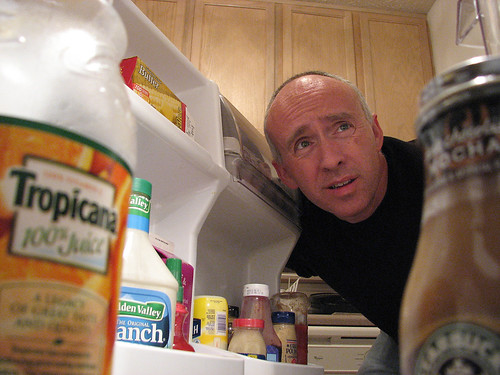
Bringing ethics to consciousness for action is the premise of George Eisman's book, The Most Noble Diet. [59] Eisman identifies six levels of progressively deeper conscious concerns that determine diet selection. The levels, reflected in the food movements presented, are:
1. Hedonism = Eating what you enjoy.
2. Personal health = Eating what you believe is "good" for you.
3. Environment = Eating what the Earth provides without undue disturbance to ecosystems.
4. Politics = Eating (or not eating) as a statement against oppressive actions or policies.
5. Non violence = Eating only what can be obtained without intentional injury or cruelty.
6. Humanity = Eating only what is your "fair share" in this global human community; not demanding extravagances that deprive others of their basic requirements of life.
As one's ethics deepen, one's judgment is deepened so that one's actions move from self-centered to other-centered, from a fast food life of convenience to One Planet Living. Like the Great Law of the Iroquois Confederacy, “In every deliberation we must consider the impact of our decisions on the next seven generations.” [60] Upon this the GLAD food movements stand.
As consumers, we have choices. But it will be a shift of our ethics, our values and beliefs about what is "right and wrong," "good and bad," "acceptable and not" that will determine the choices we make and the standard of living we maintain.
"If everyone in the world lived like an average North American, we'd need 5 planets to live on."
In all the books cited in this paper, each author ends with an exhortation to action. Whether it's minimizing your eco-footprint, exercising "buycott" power as you vote with your dollar, choosing organic and local foods, eating meat less, or abstaining from all animal products all together, the bottom line is: the choice is yours.
"Each individual can make a difference in creating a greener world. Every meal choice can move us one step closer to a more sustainable agriculture, and ultimately, healthier lives." [61]
The question is: What are YOU having for dinner?
Final post: CONCLUSION
[59] George Eisman, The Most Noble Diet: Food Selection and Ethics (Burdett, NY: Diet Ethics, 1994), 4.
[60] Fox, 12.
[61] Ibid., 127.
Saturday, April 4, 2009
The Ethics In Eating
This is part 10 of my research on global food movements entitled
GLOBALIZATION: It's what's for dinner
WHICH WAY TO GO?: The Ethics In Eating
 If a food revolution is to save the planet and improve humanity's chance for survival, bioethics must be introduced and deployed.
According to Fox, bioethics are "the extension of ethical issues and concerns from the immediate human community into the broader biological dimension of our relations with, and duties toward, the biotic community - animals, plants, and the whole of nature. Bioethical principles in food production and consumption are keys to a more sensible and compassionate future." [53]
In his book, Eating With Conscience, Fox provides
four bioethical principles: [54]
1. Ahimsa = Minimizing and avoiding harm or injury to agricultural and natural ecosystems, including wildlife, soil microorganisms, beneficial insects, and birds. (For more information, check out my 6 part series on AHIMSA from 2008.)
2. Biodiversity = Protecting and even enhancing biodiversity of both domestic and non-domestic animals and plants.
3. Transgenerational equity (sustainability) = Securing and improving the environmental quality and productivity of the land for future generations.
4. Symbiotic enhancement = Heightening the life and beauty of the land rather than "destroying what was, a generation or two ago, called the countryside."
"Ethical behavior is one way I can show gratitude for the many blessings in my life and express my spirit of a reverential respect for all of life," Fox writes.
For Archbishop of Canterbury, Rowan Williams, ethics must extend to food choices. [55] Under his leadership the Church of England issued a report entitled Sharing God's Planet that recommends sustainable consumption and says every Christian has a duty to care for every part of God's creation, with clergy first being the examples by making eco-friendly consumption choices personally and in the parish. [56]
One's beliefs ground one's ethics, which help determine the lifestyle choices which are made. Unfortunately, as Singer and Mason point out, ethical consumption has gone much further in Europe than in the United States. [57]
In Europe, for example, NGOs have campaigned to persuade supermarkets to stock organic, freely traded products, free of GMOs since the 1980s. The authors also note that progress in the area of ethics will be tougher in America than in Britain and Europe because "America's food industry seeks to keep Americans in the dark about the ethical components of their choices." [58] If you can't see, you can't judge so to be able to act ethically.
Next post: (Sorry for any delays.)
Ethics and conscious action
[53] Fox, 12.
[54] Ibid., 145.
[55] Singer and Mason, 6.
[56] Cited in Ibid., 6-7.
[57] Ibid., 5.
[58] Ibid., 7.
GLOBALIZATION: It's what's for dinner
WHICH WAY TO GO?: The Ethics In Eating
 If a food revolution is to save the planet and improve humanity's chance for survival, bioethics must be introduced and deployed.
According to Fox, bioethics are "the extension of ethical issues and concerns from the immediate human community into the broader biological dimension of our relations with, and duties toward, the biotic community - animals, plants, and the whole of nature. Bioethical principles in food production and consumption are keys to a more sensible and compassionate future." [53]
In his book, Eating With Conscience, Fox provides
four bioethical principles: [54]
1. Ahimsa = Minimizing and avoiding harm or injury to agricultural and natural ecosystems, including wildlife, soil microorganisms, beneficial insects, and birds. (For more information, check out my 6 part series on AHIMSA from 2008.)
2. Biodiversity = Protecting and even enhancing biodiversity of both domestic and non-domestic animals and plants.
3. Transgenerational equity (sustainability) = Securing and improving the environmental quality and productivity of the land for future generations.
4. Symbiotic enhancement = Heightening the life and beauty of the land rather than "destroying what was, a generation or two ago, called the countryside."
"Ethical behavior is one way I can show gratitude for the many blessings in my life and express my spirit of a reverential respect for all of life," Fox writes.
For Archbishop of Canterbury, Rowan Williams, ethics must extend to food choices. [55] Under his leadership the Church of England issued a report entitled Sharing God's Planet that recommends sustainable consumption and says every Christian has a duty to care for every part of God's creation, with clergy first being the examples by making eco-friendly consumption choices personally and in the parish. [56]
One's beliefs ground one's ethics, which help determine the lifestyle choices which are made. Unfortunately, as Singer and Mason point out, ethical consumption has gone much further in Europe than in the United States. [57]
In Europe, for example, NGOs have campaigned to persuade supermarkets to stock organic, freely traded products, free of GMOs since the 1980s. The authors also note that progress in the area of ethics will be tougher in America than in Britain and Europe because "America's food industry seeks to keep Americans in the dark about the ethical components of their choices." [58] If you can't see, you can't judge so to be able to act ethically.
Next post: (Sorry for any delays.)
Ethics and conscious action
[53] Fox, 12.
[54] Ibid., 145.
[55] Singer and Mason, 6.
[56] Cited in Ibid., 6-7.
[57] Ibid., 5.
[58] Ibid., 7.
Friday, March 6, 2009
Empowering Consumer Choices
This is part 9 of my research on global food movements entitled
GLOBALIZATION: It's what's for dinner
HAVE IT YOUR WAY:
Empowering Consumer Choices
 A revolution has begun.
Though the fast food industry has swept the globe changing local economies, industry, and dietary preferences, other food movements from around the world are pushing back. It is a literal fight for the planet and the future of humanity as food production practices of a meat-based Western diet are destroying health and depleting limited resources.
With food conglomerates around the world concerned more about efficiency, profits, and productivity than the welfare of animals and the planet, agricide continues, "in large part due to the fact that most consumers are unaware, uninformed, and disconnected from the land and the sources of their food," writes Fox. [51] Global Living Awareness Diets connect consumers with food and provide options, which empower them to make healthier choices.
While all the food movements presented have historic roots and founded overseas, Americans are beginning to notice. The "Standard American Diet" may one day not be so "standard" anymore as more eyes are opened and begin to really see the global reality that confronts us in this millennium.
A century ago, a group of lay people in Europe, mostly university students, strove to bring the values of justice and assistance for the poor to the attention of society and political life. Called "Catholic Action," the movement was active in Italy, Bavaria, France, and Belgium during the late 19th and early 20th centuries. [52] The group developed a 3-step method to empower change: (1) See, (2) Judge, and (3) Act. It is only when you see the true reality and are clear about what is going on that you can then rightly evaluate and judge the situation as a Christian so to determine how you must act.
Though facts, figures, and anecdotes allow people to "see" the realities of our contemporary world, it is ethics that filter how one sees and then determine how one will act. If new choices are to be made and behavior modified, ethics must first be examined and challenged. If a food revolution is to save the planet and improve humanity's chance for survival, bioethics must be introduced and deployed.
According to Fox, bioethics are "the extension of ethical issues and concerns from the immediate human community into the broader biological dimension of our relations with, and duties toward, the biotic community - animals, plants, and the whole of nature. Bioethical principles in food production and consumption are keys to a more sensible and compassionate future." [53] In his book, Eating With Conscience, he provides four bioethical principles.
Next post:
Bioethical principles and the choices we make
[51] Fox, 13.
[52] Information on Catholic Action comes from John Kiesler, "Looking at Global Reality as a Christian" (lecture, Franciscan School of Theology, Berkeley, CA, October 7, 2008) and "Catholic Action," Wikipedia http://en.wikipedia.org/wiki/Catholic_Action (accessed December 18, 2008).
[53] Fox, 12.
GLOBALIZATION: It's what's for dinner
HAVE IT YOUR WAY:
Empowering Consumer Choices
 A revolution has begun.
Though the fast food industry has swept the globe changing local economies, industry, and dietary preferences, other food movements from around the world are pushing back. It is a literal fight for the planet and the future of humanity as food production practices of a meat-based Western diet are destroying health and depleting limited resources.
With food conglomerates around the world concerned more about efficiency, profits, and productivity than the welfare of animals and the planet, agricide continues, "in large part due to the fact that most consumers are unaware, uninformed, and disconnected from the land and the sources of their food," writes Fox. [51] Global Living Awareness Diets connect consumers with food and provide options, which empower them to make healthier choices.
While all the food movements presented have historic roots and founded overseas, Americans are beginning to notice. The "Standard American Diet" may one day not be so "standard" anymore as more eyes are opened and begin to really see the global reality that confronts us in this millennium.
A century ago, a group of lay people in Europe, mostly university students, strove to bring the values of justice and assistance for the poor to the attention of society and political life. Called "Catholic Action," the movement was active in Italy, Bavaria, France, and Belgium during the late 19th and early 20th centuries. [52] The group developed a 3-step method to empower change: (1) See, (2) Judge, and (3) Act. It is only when you see the true reality and are clear about what is going on that you can then rightly evaluate and judge the situation as a Christian so to determine how you must act.
Though facts, figures, and anecdotes allow people to "see" the realities of our contemporary world, it is ethics that filter how one sees and then determine how one will act. If new choices are to be made and behavior modified, ethics must first be examined and challenged. If a food revolution is to save the planet and improve humanity's chance for survival, bioethics must be introduced and deployed.
According to Fox, bioethics are "the extension of ethical issues and concerns from the immediate human community into the broader biological dimension of our relations with, and duties toward, the biotic community - animals, plants, and the whole of nature. Bioethical principles in food production and consumption are keys to a more sensible and compassionate future." [53] In his book, Eating With Conscience, he provides four bioethical principles.
Next post:
Bioethical principles and the choices we make
[51] Fox, 13.
[52] Information on Catholic Action comes from John Kiesler, "Looking at Global Reality as a Christian" (lecture, Franciscan School of Theology, Berkeley, CA, October 7, 2008) and "Catholic Action," Wikipedia http://en.wikipedia.org/wiki/Catholic_Action (accessed December 18, 2008).
[53] Fox, 12.
Saturday, February 28, 2009
Don't Get Mad, Get GLAD: Plant-based Diets 2
This is part 8 of my research on global food movements entitled
GLOBALIZATION: It's what for dinner
Global food movements making a difference:
PLANT-BASED DIETS - CURRENT HISTORY
In the east and in the west, history clearly reveals that plant-based diets have nourished and sustained cultures all over the world for thousands of years. However, Manchester, England in 1815 is often regarded as the birthplace of the current vegetarian movement. [44]
 Because of the industrial revolution taking place in Britain during the late 18th and early 19th centuries, there was growing awareness of health problems and the cruel treatment of animals. Large numbers of factories were being developed with appalling living conditions and an extremely poor diet for workers. Rev. William Cowherd was among those who responded to this problem. Taking a closer look at health, the environment, and animals, this Bible Christian preacher advanced the principle of abstinence from flesh-eating.
The Bible Christian denomination embraced a vegetarian diet and became the first institution to promote vegetarianism in the contemporary western world. Many of its members formed the Vegetarian Society of the United Kingdom in 1847. In 1817, 40 Bible Christian members brought the message to the United States. They founded a church in Philadelphia, and launched the vegetarian movement in America, which has a history of stutters and starts.
Though details are sketchy as to the beginning of vegetarian movements in other nations, by 1908, the International Vegetarian Union was founded with vegetarian societies having been established in 22 nations, primarily in Europe, but also in New Zealand, Chile, and India. Though Mohandas K. Gandhi was active in the London Vegetarian Society in the 1890s before his return to India, his involvement with the Indian or Punjab Vegetarian Society is unclear. [45]
As meat consumption began to dramatically rise in Western nations in the 20th century due to modern conveniences, refrigeration, and transportation, the vegetarian movement in the US declined with the rise of convenience foods and fast food restaurants. Internationally, however, the overall movement continued at a steady rate. For the United States, vegetarian societies appeared to come and go, reflecting the ambiguity of the population for plant-based diets.
It wasn't until 1960 when the current American Vegetarian Society was launched. Renewed interest in a vegetarian diet within the 1960s counterculture colored people's opinion of the movement. However, Francis Moore Lappé's Diet for a Small Planet in 1971 served as a catalyst to steer the movement towards a mainstream audience by raising awareness of health choices in light of emerging environmental problems. John Robbins' book in 1987, along with books by Dr. Dean Ornish, have increased credibility and have helped bring attention to the issues of health, diet, and the environment.
Now partnered with the animal rights movement, vegetarianism in the US today and around the planet appears to be on the rise, though statistics are difficult to assess. [46] In 1989, Collins and Collins note that "The popularity of plant-based diets has been increasing and both the variety and availability of convenient vegetarian foods have been skyrocketing. Restaurants around the country now regularly offer meat-free and dairy-free options. Scientists are publishing more articles about vegetarianism and writing more about the health potential of a plant-based diet." [47] Recent market sales continue to confirm that vegetarian foods have been on the rise in the last decade, especially in the UK. [48]
Morton Spurlock's 2004 award winning documentary "Supersize Me" on the effects of fast food, Oprah Winfrey's decision on national TV to go vegan for 21 days this year, and a growing number of celebrities publicly declaring their commitment to more compassionate dietary choices all reflect the acceptance and growing popular interest in plant-based diets in contemporary culture. [49]
In their 2006 book, The Ethics of What We Eat: Why Our Food Choices Matter (where the acronym SAD originates), Singer and Mason examine three families' grocery-buying habits and the motivations behind those choices. They highlight with admiration a Kansas family that has turned vegan so as not to participate in the destructive cycle of animal and human exploitation. As individuals and families make new informed choices, the plant-based movement grows.
When asked about the future of vegetarianism, Howard Lyman, cattle rancher turned vegan, best-selling author of the book Mad Cowboy, and enemy #1 of Texas cattlemen because of his 1998 comments on Oprah, said, "I believe the vegetarian movement . . . will continue to grow. I see my role as that of a motivator to the young activists in the first world. I believe for the human species to survive on the Planet Earth, we must adopt a plant-based diet in this generation. Our future and the future of our children and grandchildren rests in the hands of the vegetarian activists today. No one can do it all, but we all can do something. We must get involved before it is too late." [50]
Next week:
Empowering consumer choices
[44] "Shaker-makers! Manchester Originals," International Actuarial Association - Manchester, http://www.actuaries.org/ASTIN/Colloquia/Manchester/Manchester_Originals.pdf (accessed December 17, 2008). Other details on the beginning of the vegetarian movement come from: Derek Antrobus, "Transatlantic vegetarians" (September 2000), International Vegetarian Union - History of vegetarianism http://www.ivu.org/history/england19a/transatlantic.html (accessed December 14, 2008); Maxwell G. Lee, "150 Years of Vegetarianism," International Vegetarian Union, http://www.ivu.org/congress/euro97/150-years.html (accessed December 14, 2008); and Maxwell Lee, "Formation of The Vegetarian Society," The Vegetarian Society UK - History Information Sheet, http://www.vegsoc.org/info/developm.html (accessed December 14, 2008).
[45] "Mohandas K. Gandhi (1869-1948)," International Vegetarian Union, http://www.ivu.org/history/gandhi/1891-11.html (accessed December 18, 2008).
[46] cf. "Q: Society, Diet and Statistics," Google Answers, http://answers.google.com/answers/threadview?id=706957 (accessed December 17, 2008).
[47] Collins and Collins, 350.
[48] "Sales Figures 1991-2004," Vegetarian Society, http://www.vegsoc.org/info/statveg-sales.html (accessed December 17, 2008).
[49] cf. " HappyCow's Famous Vegetarians," HappyCow, http://www.happycow.net/famous_vegetarians.html (accessed December 18, 2008).
[50] "24 Carrot Award," Vegetarians in Paradise, http://www.vegparadise.com/24carrot31.html (accessed December 17, 2008). For more information on the lawsuit filed against Lyman and Winfrey: http://www.madcowboy.com/01_BookOP.000.html.)
GLOBALIZATION: It's what for dinner
Global food movements making a difference:
PLANT-BASED DIETS - CURRENT HISTORY
In the east and in the west, history clearly reveals that plant-based diets have nourished and sustained cultures all over the world for thousands of years. However, Manchester, England in 1815 is often regarded as the birthplace of the current vegetarian movement. [44]
 Because of the industrial revolution taking place in Britain during the late 18th and early 19th centuries, there was growing awareness of health problems and the cruel treatment of animals. Large numbers of factories were being developed with appalling living conditions and an extremely poor diet for workers. Rev. William Cowherd was among those who responded to this problem. Taking a closer look at health, the environment, and animals, this Bible Christian preacher advanced the principle of abstinence from flesh-eating.
The Bible Christian denomination embraced a vegetarian diet and became the first institution to promote vegetarianism in the contemporary western world. Many of its members formed the Vegetarian Society of the United Kingdom in 1847. In 1817, 40 Bible Christian members brought the message to the United States. They founded a church in Philadelphia, and launched the vegetarian movement in America, which has a history of stutters and starts.
Though details are sketchy as to the beginning of vegetarian movements in other nations, by 1908, the International Vegetarian Union was founded with vegetarian societies having been established in 22 nations, primarily in Europe, but also in New Zealand, Chile, and India. Though Mohandas K. Gandhi was active in the London Vegetarian Society in the 1890s before his return to India, his involvement with the Indian or Punjab Vegetarian Society is unclear. [45]
As meat consumption began to dramatically rise in Western nations in the 20th century due to modern conveniences, refrigeration, and transportation, the vegetarian movement in the US declined with the rise of convenience foods and fast food restaurants. Internationally, however, the overall movement continued at a steady rate. For the United States, vegetarian societies appeared to come and go, reflecting the ambiguity of the population for plant-based diets.
It wasn't until 1960 when the current American Vegetarian Society was launched. Renewed interest in a vegetarian diet within the 1960s counterculture colored people's opinion of the movement. However, Francis Moore Lappé's Diet for a Small Planet in 1971 served as a catalyst to steer the movement towards a mainstream audience by raising awareness of health choices in light of emerging environmental problems. John Robbins' book in 1987, along with books by Dr. Dean Ornish, have increased credibility and have helped bring attention to the issues of health, diet, and the environment.
Now partnered with the animal rights movement, vegetarianism in the US today and around the planet appears to be on the rise, though statistics are difficult to assess. [46] In 1989, Collins and Collins note that "The popularity of plant-based diets has been increasing and both the variety and availability of convenient vegetarian foods have been skyrocketing. Restaurants around the country now regularly offer meat-free and dairy-free options. Scientists are publishing more articles about vegetarianism and writing more about the health potential of a plant-based diet." [47] Recent market sales continue to confirm that vegetarian foods have been on the rise in the last decade, especially in the UK. [48]
Morton Spurlock's 2004 award winning documentary "Supersize Me" on the effects of fast food, Oprah Winfrey's decision on national TV to go vegan for 21 days this year, and a growing number of celebrities publicly declaring their commitment to more compassionate dietary choices all reflect the acceptance and growing popular interest in plant-based diets in contemporary culture. [49]
In their 2006 book, The Ethics of What We Eat: Why Our Food Choices Matter (where the acronym SAD originates), Singer and Mason examine three families' grocery-buying habits and the motivations behind those choices. They highlight with admiration a Kansas family that has turned vegan so as not to participate in the destructive cycle of animal and human exploitation. As individuals and families make new informed choices, the plant-based movement grows.
When asked about the future of vegetarianism, Howard Lyman, cattle rancher turned vegan, best-selling author of the book Mad Cowboy, and enemy #1 of Texas cattlemen because of his 1998 comments on Oprah, said, "I believe the vegetarian movement . . . will continue to grow. I see my role as that of a motivator to the young activists in the first world. I believe for the human species to survive on the Planet Earth, we must adopt a plant-based diet in this generation. Our future and the future of our children and grandchildren rests in the hands of the vegetarian activists today. No one can do it all, but we all can do something. We must get involved before it is too late." [50]
Next week:
Empowering consumer choices
[44] "Shaker-makers! Manchester Originals," International Actuarial Association - Manchester, http://www.actuaries.org/ASTIN/Colloquia/Manchester/Manchester_Originals.pdf (accessed December 17, 2008). Other details on the beginning of the vegetarian movement come from: Derek Antrobus, "Transatlantic vegetarians" (September 2000), International Vegetarian Union - History of vegetarianism http://www.ivu.org/history/england19a/transatlantic.html (accessed December 14, 2008); Maxwell G. Lee, "150 Years of Vegetarianism," International Vegetarian Union, http://www.ivu.org/congress/euro97/150-years.html (accessed December 14, 2008); and Maxwell Lee, "Formation of The Vegetarian Society," The Vegetarian Society UK - History Information Sheet, http://www.vegsoc.org/info/developm.html (accessed December 14, 2008).
[45] "Mohandas K. Gandhi (1869-1948)," International Vegetarian Union, http://www.ivu.org/history/gandhi/1891-11.html (accessed December 18, 2008).
[46] cf. "Q: Society, Diet and Statistics," Google Answers, http://answers.google.com/answers/threadview?id=706957 (accessed December 17, 2008).
[47] Collins and Collins, 350.
[48] "Sales Figures 1991-2004," Vegetarian Society, http://www.vegsoc.org/info/statveg-sales.html (accessed December 17, 2008).
[49] cf. " HappyCow's Famous Vegetarians," HappyCow, http://www.happycow.net/famous_vegetarians.html (accessed December 18, 2008).
[50] "24 Carrot Award," Vegetarians in Paradise, http://www.vegparadise.com/24carrot31.html (accessed December 17, 2008). For more information on the lawsuit filed against Lyman and Winfrey: http://www.madcowboy.com/01_BookOP.000.html.)
Sunday, February 15, 2009
Don't Get Mad, Get GLAD: Sustainable Food Movements
This is part 6 of my research on global food movements entitled
GLOBALIZATION: It's what's for dinner
Global food movements making a difference:
SUSTAINABLE FOOD MOVEMENTS
 The values of the organic farming movement with its commitment to sustainability, smaller farms, and no "additive" crops are reflected in other growing food movements. Farmers' Markets, which introduce primarily local organic growers to the consuming public, grew in the US from 1,755 in 1994 to 4,685 in 2008. [28]
The popularity of the Local Food Movement has also gained attention as the term "locavore" was chosen as the 2007 word of the year by the New Oxford American Dictionary. [29] A locavore is one who purchases foodstuff from within a 100 mile radius of home, which not only supports local businesses, but also reduces pollution and the consumption of fossil fuels as food transport is kept to a minimum.
The formation of CSA (Community Supported Agriculture) also reflects this localizing trend as consumers contract with local farmers who agree to regularly deliver their products to them. From the first CSA in 1986, there are now more than 1,300. [30]
Local farming has also renewed interest in heirloom fruits and vegetables as seed and rootstock collections from the "old world" are recovered, providing beautiful and delicious alternatives to the limited selections in larger food chains. Such trends reflect a "food renaissance," as food markets of yesteryear, still common in less industrialized communities, are finding new life in the post-modern world.
In England, for example, the Borough Market, London's oldest fruit and vegetable market, dating back to 43 AD, has undergone exponential growth in the last 6 years. [31] This supports the 2004 findings of Richardson and Aguiar who, in their report on consumers and UK fast food companies, concluded that the primary attributes once guiding consumer behavior such as convenience and cost are no longer enough to represent the true desires of the consumer.
Findings indicate that in the UK there has been a shift of preferences "from satisfaction based on cheap food and speedy service to more emphasis on ingredients and taste." [32] In food choices, over 68% indicated they desire "lesser fat content," and over 41% desire "organic ingredients," along with "broader vegetarian selection," and "more use of local produce." As freshness and quality, organic and local, also become higher priorities in food selections for American consumers, such trends are expected in the US as consumers are now desiring to support local organic farmers and are becoming more interested in knowing where their food comes from and how it is grown. [33]
Another movement that embodies the value of sustainability through organic farming, but also embraces the importance of local food traditions is the Slow Food Movement. Though intentionally founded in 1986 by Carlo Petrini in Italy as a protest of the opening of a McDonalds near the Spanish steps in Rome, the movement seeks to "preserve the cultural cuisine and the associated food plants and seeds, domestic animals, and farming within an ecoregion." [34] In protecting the heritage of food, tradition, and culture from the wave of fast food, Slow Food looks for ways to defend biodiversity in the local food supply, spread taste education, and connect producers of excellent foods with co-producers through events and initiatives. [35] As US Today phrases it, "Slow Food aims to be everything that fast food is not." [36]
Based in Italy, the movement has now expanded globally to over 83,000 members in 122 countries. In the United States, the first Slow Food celebration and exposition occurred this year in San Francisco over Labor Day weekend with over 85,000 in attendance. [37] A Declaration for Healthy Food and Agriculture was also introduced to demand a healthier food policy for America. Though the Slow Food Movement is relatively new in the US, it has quickly taken root with chapters in nearly every state. As Americans are discovering that there are other choices besides fast food, they are taking responsibility, speaking out, and making choices for their health and for the environment.
Next week:
Plant-based diets
[28] "Farmers Market Growth: 1994-2008," USDA - Wholesale and Farmers, http://www.ams.usda.gov/farmersmarkets/farmersmarketgrowth.htm (accessed on December 16, 2008).
[29] Richard Pirog, "Local Foods: Farm fresh and environmentally friendly," World Book's 2009 Science Year (World Book Publishing, 2009), The Leopold Center, www.leopold.iastate.edu/research/marketing_files/WorldBook.pdf (accessed December 12, 2008), 135.
[30] Ibid., 138.
[31] Regine Lee, "Food Renaissance at London's Borough Market," Bay Area News Group, November 5, 2008.
[32] James Richardson and Luis Kluwe Aguiar, "Consumer Change In Fast Food Preference," International Food and Agribusiness Management Association, http://www.ifama.org/conferences/2004Conference/Papers/Richardson1004.pdf (accessed December 15, 2008).
[33] Pirog, 136
[34] "Slow Food," Wikipedia, http://en.wikipedia.org/wiki/Slow_Food (accessed December 15, 2008).
[35] "Our mission," Slow Food, http://www.slowfood.com/about_us/eng/mission.lasso (accessed December 15, 2008).
[36] Cited on "What is slow food," Slow Food USA, http://www.slowfoodusa.org/index.php/slow_food/ (accessed December 17, 2008).
[37] Slow Food Nation, http://slowfoodnation.org/ (accessed December 17, 2008).
GLOBALIZATION: It's what's for dinner
Global food movements making a difference:
SUSTAINABLE FOOD MOVEMENTS
 The values of the organic farming movement with its commitment to sustainability, smaller farms, and no "additive" crops are reflected in other growing food movements. Farmers' Markets, which introduce primarily local organic growers to the consuming public, grew in the US from 1,755 in 1994 to 4,685 in 2008. [28]
The popularity of the Local Food Movement has also gained attention as the term "locavore" was chosen as the 2007 word of the year by the New Oxford American Dictionary. [29] A locavore is one who purchases foodstuff from within a 100 mile radius of home, which not only supports local businesses, but also reduces pollution and the consumption of fossil fuels as food transport is kept to a minimum.
The formation of CSA (Community Supported Agriculture) also reflects this localizing trend as consumers contract with local farmers who agree to regularly deliver their products to them. From the first CSA in 1986, there are now more than 1,300. [30]
Local farming has also renewed interest in heirloom fruits and vegetables as seed and rootstock collections from the "old world" are recovered, providing beautiful and delicious alternatives to the limited selections in larger food chains. Such trends reflect a "food renaissance," as food markets of yesteryear, still common in less industrialized communities, are finding new life in the post-modern world.
In England, for example, the Borough Market, London's oldest fruit and vegetable market, dating back to 43 AD, has undergone exponential growth in the last 6 years. [31] This supports the 2004 findings of Richardson and Aguiar who, in their report on consumers and UK fast food companies, concluded that the primary attributes once guiding consumer behavior such as convenience and cost are no longer enough to represent the true desires of the consumer.
Findings indicate that in the UK there has been a shift of preferences "from satisfaction based on cheap food and speedy service to more emphasis on ingredients and taste." [32] In food choices, over 68% indicated they desire "lesser fat content," and over 41% desire "organic ingredients," along with "broader vegetarian selection," and "more use of local produce." As freshness and quality, organic and local, also become higher priorities in food selections for American consumers, such trends are expected in the US as consumers are now desiring to support local organic farmers and are becoming more interested in knowing where their food comes from and how it is grown. [33]
Another movement that embodies the value of sustainability through organic farming, but also embraces the importance of local food traditions is the Slow Food Movement. Though intentionally founded in 1986 by Carlo Petrini in Italy as a protest of the opening of a McDonalds near the Spanish steps in Rome, the movement seeks to "preserve the cultural cuisine and the associated food plants and seeds, domestic animals, and farming within an ecoregion." [34] In protecting the heritage of food, tradition, and culture from the wave of fast food, Slow Food looks for ways to defend biodiversity in the local food supply, spread taste education, and connect producers of excellent foods with co-producers through events and initiatives. [35] As US Today phrases it, "Slow Food aims to be everything that fast food is not." [36]
Based in Italy, the movement has now expanded globally to over 83,000 members in 122 countries. In the United States, the first Slow Food celebration and exposition occurred this year in San Francisco over Labor Day weekend with over 85,000 in attendance. [37] A Declaration for Healthy Food and Agriculture was also introduced to demand a healthier food policy for America. Though the Slow Food Movement is relatively new in the US, it has quickly taken root with chapters in nearly every state. As Americans are discovering that there are other choices besides fast food, they are taking responsibility, speaking out, and making choices for their health and for the environment.
Next week:
Plant-based diets
[28] "Farmers Market Growth: 1994-2008," USDA - Wholesale and Farmers, http://www.ams.usda.gov/farmersmarkets/farmersmarketgrowth.htm (accessed on December 16, 2008).
[29] Richard Pirog, "Local Foods: Farm fresh and environmentally friendly," World Book's 2009 Science Year (World Book Publishing, 2009), The Leopold Center, www.leopold.iastate.edu/research/marketing_files/WorldBook.pdf (accessed December 12, 2008), 135.
[30] Ibid., 138.
[31] Regine Lee, "Food Renaissance at London's Borough Market," Bay Area News Group, November 5, 2008.
[32] James Richardson and Luis Kluwe Aguiar, "Consumer Change In Fast Food Preference," International Food and Agribusiness Management Association, http://www.ifama.org/conferences/2004Conference/Papers/Richardson1004.pdf (accessed December 15, 2008).
[33] Pirog, 136
[34] "Slow Food," Wikipedia, http://en.wikipedia.org/wiki/Slow_Food (accessed December 15, 2008).
[35] "Our mission," Slow Food, http://www.slowfood.com/about_us/eng/mission.lasso (accessed December 15, 2008).
[36] Cited on "What is slow food," Slow Food USA, http://www.slowfoodusa.org/index.php/slow_food/ (accessed December 17, 2008).
[37] Slow Food Nation, http://slowfoodnation.org/ (accessed December 17, 2008).
Saturday, February 7, 2009
Don't Get Mad, Get GLAD: Organic Farming
This is part 5 of my research on global food movements entitled
GLOBALIZATION: It's what's for dinner
Global food movements making a difference:
ORGANIC FARMING
Though One Planet Living is not specifically a global food movement, it exemplifies one of the most important principles in other movements - sustainability. Sustainability is defined as “meeting the needs of the present without compromising the ability of future generations to meet their own needs," [19] and nowhere is it more evident today than in the organic farming movement which has also been referred to as sustainable agriculture.

In the largest known survey of worldwide sustainable agriculture, Pretty and Hine note that sustainable agriculture, which is now a financially feasible option for farmers, makes "the best use of nature’s goods and services as functional inputs." [20] By integrating natural and regenerative processes, it minimizes the use of non-renewable inputs of conventional farming (pesticides and fertilizers), which are now known to damage the environment and harm the health of the farmer and the consumer.
During the first 40 years of the 20th century, advances in biochemistry and engineering rapidly and profoundly changed farming in industrialized countries. Gas-powered vehicles, mechanized farms, hybrid seeds, and nitrogen fertilizer were embraced and became affordably abundant and developed for the conventional farming system. Technological advances during World War II accelerated all aspects of agriculture, with advances in large-scale irrigation, fertilization, and pesticides. In particular, two chemicals, ammonium nitrate and DDT, were repurposed for peacetime agricultural uses.
In 1944, the international campaign called the "Green Revolution" changed the face of farming practices around the world through the use of hybrid seeds, which were fed by chemical fertilizers, protected by pesticides, and harvested through large-scale irrigation and heavy mechanization in single crop farms. Beginning in Mexico with private funding from the US, traditional indigenous practices were soon replaced by a dependence on multinational corporations for supplies.
Agricultural diversity and local seeds would eventually be lost as farmers in the developing world bought the promise of better crops and increased revenue. Though there was initial success, over time soil nutrients were depleted; crops required more poison for protection and production; harvests produced less as the food quality declined. Within this farming climate the fast food movement took root in the US during the 1950s, and internationally beginning in the 1960s.
In their book, Hope's Edge, Frances Moore Lappé and daughter Anna tell the story of Navdanya, a movement in India, which, according to one of its leaders, "wants to retrieve indigenous food and drink from extinction through pleasure - and fast, before our taste buds are completely stolen by Pepsi and Coke." [21] According to the Lappés, Navdanya fears that Indians are being "sucked into this radical, experimental diet - the one spreading from America to the rest of the world, bringing with it heart disease, cancer, and diabetes." [22]
Farmers in India like those in Mexico bought into the Green Revolution and have been paying the consequence in terms of human health, environmental damage, and financial losses ever since. By empowering farmers with knowledge and skills, and reintroducing native seeds and resources to off-set the five to seven year transition as the soil is rebuilt, Navdanya is now changing the lives of farmers and communities through organic, indigenous farming practices and crops that were nearly lost.
How ironic that as India today reclaims its agricultural heritage, India a century ago is where the roots of the modern organic farming movement began. Conscious organic farming (as opposed to the agriculture of indigenous cultures, which "always employs only organic means," which Wikipedia correctly notes) began in the early 1900s through Rudolf Steiner's first comprehensive organic farming system in Germany in 1924, and the research by British botanist Sir Albert Howard who came to regard Indian farming practices as superior to conventional agriculture science. [23]
According to William Tate in 1994, there are three main phases of the international organic movement: (1) 1924-1970 = Struggle and financial difficulty as core works were written amid a hostile environment due to the rise of new conventional farming practices; (2) 1970-1980 = Key organic symbols were established, the International Federation of Organic Agriculture Movements was founded (1972), 'green' awareness grew, and retailer outlets multiplied as customer awareness of the risks in conventional farming were raised and organic demand increased; and (3) 1980 on = Popular acceptance as national and international standards were set and governments introduced organic aid schemes for farmers. [24]
In their 2001 study, Pretty and Hine note, however, that though there has been "a very rapid spread" of sustainable agriculture in the last decade and considerable global recognition of the need for policies, in most countries, organic farming remains in the margins. [25] Only Cuba and Switzerland have given explicit national support for sustainable agriculture.
In the United States, organic farming is recognized as one of the fastest growing segments in U.S. agriculture with the market for organic products expanding and expected to continue its expansion as consumers are becoming increasingly aware about conventional farming and its impact on human health due to pesticide residues, and environmental health due to the loss of wildlife species and natural habitats, and rise of pollution and non-renewable resources. Michael Pollan’s poular 2006 book on organic agriculture, The Omnivore’s Dilemma, has also raised awareness about the realities in the industry.
Nationwide, organic food sales have grown 20 percent annually in the last eight years due to consumer demand. [26] In their book, the Lappés also tell the story of a Wisconsin farmer who transitioned to organic practices from farm chemicals which he says killed his father. "Consumers are smarter now," he says. "Once a week there's something in the paper about what's going on - hormones, pesticides, resistance to antibiotics. So the big food chains are responding. They are working with us to get organics into their stores. . . . because consumers have a vote and they're using it." [27]
Next week:
Other sustainable food movements
[19] "Sustainability," United States Environmental Protection Agency, http://www.epa.gov/Sustainability/ (accessed December 16, 2008).
[20] Jules Pretty and Rachel Hine, "Reducing Food Poverty with Sustainable Agriculture," Centre for Environment and Society, University of Essex, UK, http://www.essex.ac.uk/ces/esu/occasionalpapers/SAFErepSUBHEADS.shtm (accessed December 16, 2008), 11.
[21] Frances Moore Lappé and Anna Lappé, Hope's Edge: The Next Diet for a Small Planet, First Trade paperback edition 2003 (New York: Jeremy P. Tarcher/Putnam, 2002, 148.
[22] Ibid., 148.
[23] "History of organic farming," Wikipedia, http://en.wikipedia.org/wiki/History_of_organic_farming (accessed December 16, 2008).
[24] William B. Tate, "The Development of the Organic Industry and Market: An International Perspective," in The Economics of Organic Farming: An International Perspective, ed. N.H. Lampkin and S. Padel (Oxon, UK:CAB International, 1994), 11.
[25] Pretty and Hine, 21.
[26] cf. Lappé and Lappé, 270 and "History of organic farming," Wikipedia.
[27] Lappé and Lappé, 270.
GLOBALIZATION: It's what's for dinner
Global food movements making a difference:
ORGANIC FARMING
Though One Planet Living is not specifically a global food movement, it exemplifies one of the most important principles in other movements - sustainability. Sustainability is defined as “meeting the needs of the present without compromising the ability of future generations to meet their own needs," [19] and nowhere is it more evident today than in the organic farming movement which has also been referred to as sustainable agriculture.

In the largest known survey of worldwide sustainable agriculture, Pretty and Hine note that sustainable agriculture, which is now a financially feasible option for farmers, makes "the best use of nature’s goods and services as functional inputs." [20] By integrating natural and regenerative processes, it minimizes the use of non-renewable inputs of conventional farming (pesticides and fertilizers), which are now known to damage the environment and harm the health of the farmer and the consumer.
During the first 40 years of the 20th century, advances in biochemistry and engineering rapidly and profoundly changed farming in industrialized countries. Gas-powered vehicles, mechanized farms, hybrid seeds, and nitrogen fertilizer were embraced and became affordably abundant and developed for the conventional farming system. Technological advances during World War II accelerated all aspects of agriculture, with advances in large-scale irrigation, fertilization, and pesticides. In particular, two chemicals, ammonium nitrate and DDT, were repurposed for peacetime agricultural uses.
In 1944, the international campaign called the "Green Revolution" changed the face of farming practices around the world through the use of hybrid seeds, which were fed by chemical fertilizers, protected by pesticides, and harvested through large-scale irrigation and heavy mechanization in single crop farms. Beginning in Mexico with private funding from the US, traditional indigenous practices were soon replaced by a dependence on multinational corporations for supplies.
Agricultural diversity and local seeds would eventually be lost as farmers in the developing world bought the promise of better crops and increased revenue. Though there was initial success, over time soil nutrients were depleted; crops required more poison for protection and production; harvests produced less as the food quality declined. Within this farming climate the fast food movement took root in the US during the 1950s, and internationally beginning in the 1960s.
In their book, Hope's Edge, Frances Moore Lappé and daughter Anna tell the story of Navdanya, a movement in India, which, according to one of its leaders, "wants to retrieve indigenous food and drink from extinction through pleasure - and fast, before our taste buds are completely stolen by Pepsi and Coke." [21] According to the Lappés, Navdanya fears that Indians are being "sucked into this radical, experimental diet - the one spreading from America to the rest of the world, bringing with it heart disease, cancer, and diabetes." [22]
Farmers in India like those in Mexico bought into the Green Revolution and have been paying the consequence in terms of human health, environmental damage, and financial losses ever since. By empowering farmers with knowledge and skills, and reintroducing native seeds and resources to off-set the five to seven year transition as the soil is rebuilt, Navdanya is now changing the lives of farmers and communities through organic, indigenous farming practices and crops that were nearly lost.
How ironic that as India today reclaims its agricultural heritage, India a century ago is where the roots of the modern organic farming movement began. Conscious organic farming (as opposed to the agriculture of indigenous cultures, which "always employs only organic means," which Wikipedia correctly notes) began in the early 1900s through Rudolf Steiner's first comprehensive organic farming system in Germany in 1924, and the research by British botanist Sir Albert Howard who came to regard Indian farming practices as superior to conventional agriculture science. [23]
According to William Tate in 1994, there are three main phases of the international organic movement: (1) 1924-1970 = Struggle and financial difficulty as core works were written amid a hostile environment due to the rise of new conventional farming practices; (2) 1970-1980 = Key organic symbols were established, the International Federation of Organic Agriculture Movements was founded (1972), 'green' awareness grew, and retailer outlets multiplied as customer awareness of the risks in conventional farming were raised and organic demand increased; and (3) 1980 on = Popular acceptance as national and international standards were set and governments introduced organic aid schemes for farmers. [24]
In their 2001 study, Pretty and Hine note, however, that though there has been "a very rapid spread" of sustainable agriculture in the last decade and considerable global recognition of the need for policies, in most countries, organic farming remains in the margins. [25] Only Cuba and Switzerland have given explicit national support for sustainable agriculture.
In the United States, organic farming is recognized as one of the fastest growing segments in U.S. agriculture with the market for organic products expanding and expected to continue its expansion as consumers are becoming increasingly aware about conventional farming and its impact on human health due to pesticide residues, and environmental health due to the loss of wildlife species and natural habitats, and rise of pollution and non-renewable resources. Michael Pollan’s poular 2006 book on organic agriculture, The Omnivore’s Dilemma, has also raised awareness about the realities in the industry.
Nationwide, organic food sales have grown 20 percent annually in the last eight years due to consumer demand. [26] In their book, the Lappés also tell the story of a Wisconsin farmer who transitioned to organic practices from farm chemicals which he says killed his father. "Consumers are smarter now," he says. "Once a week there's something in the paper about what's going on - hormones, pesticides, resistance to antibiotics. So the big food chains are responding. They are working with us to get organics into their stores. . . . because consumers have a vote and they're using it." [27]
Next week:
Other sustainable food movements
[19] "Sustainability," United States Environmental Protection Agency, http://www.epa.gov/Sustainability/ (accessed December 16, 2008).
[20] Jules Pretty and Rachel Hine, "Reducing Food Poverty with Sustainable Agriculture," Centre for Environment and Society, University of Essex, UK, http://www.essex.ac.uk/ces/esu/occasionalpapers/SAFErepSUBHEADS.shtm (accessed December 16, 2008), 11.
[21] Frances Moore Lappé and Anna Lappé, Hope's Edge: The Next Diet for a Small Planet, First Trade paperback edition 2003 (New York: Jeremy P. Tarcher/Putnam, 2002, 148.
[22] Ibid., 148.
[23] "History of organic farming," Wikipedia, http://en.wikipedia.org/wiki/History_of_organic_farming (accessed December 16, 2008).
[24] William B. Tate, "The Development of the Organic Industry and Market: An International Perspective," in The Economics of Organic Farming: An International Perspective, ed. N.H. Lampkin and S. Padel (Oxon, UK:CAB International, 1994), 11.
[25] Pretty and Hine, 21.
[26] cf. Lappé and Lappé, 270 and "History of organic farming," Wikipedia.
[27] Lappé and Lappé, 270.
Saturday, January 31, 2009
Don't Get Mad, Get GLAD: One Planet Living
This is part 4 of my research on global food movements, entitled
GLOBALIZATION: It's what's for dinner.
Global food movements making a difference: ONE PLANET LIVING
 With growth rates unprecedented before the 20th century, the world's population is estimated to be about 6.7 billion today, and with population projections, is expected to reach nearly 9 billion by the year 2042. [13] As the population mushrooms and the lifestyle choices of global people shift towards more Western and American ways, researchers predict that we are headed for an inevitable future.
Erik Assadourian, Project Director of Vital Signs 2007-2008 writes, "It is increasingly clear that if we follow our current path much longer it will likely take Earth millennia to recover from the devastation we have caused. One entity among the thousands of threatened species and ecosystems may not make it through this global change: human civilization." [14] The United Nations Environment Program echoes this in its 2007 report, which asserts that, "The human population is living far beyond its means and inflicting damage to the point of no return." [15]
Climate change, the rate of extinction of species and the challenge of feeding a growing earth population are factors that are putting the planet at risk. Achim Steiner, executive director of the UN Environment Program, said, "The human population is now so large that the amount of resources needed to sustain it exceeds what is available at current consumption patterns." The most recent measurement shows that humans currently use the resources of 1.25 Earths and are thus depleting the ecological capital on which future populations will depend. [16]
As growth accelerates in both the first and the two-thirds world, so does the depletion of ecological capital and environmental resources.
This reality is the philosophical foundation of One Planet Living, a global initiative based on 10 principles of sustainability developed by BioRegional, a British-based NGO, and WWF, the largest multinational conservation organization in the world. [17] The starting point of One Planet Living is based on the scientific principle of eco-footprinting.
Eduardo Gonçalves, Coordinator of One Planet Living in Portugal, describes it this way.
The aim is to translate these principles into reality in a series of model or ‘flagship’ communities, one on each continent of the globe. One Planet Living Pioneer Communities are being developed in Australia, China, South Africa, North America and the EU, with the first underway in Portugal.
Yet, it is not just about the founding sustainable communities. Through the internet, individuals also are being challenged to make changes in their lifestyle, diet, and consumption patterns. Local authorities in Canada and Britain are looking to implement One Planet Living as municipal policy. According to Gonçalves, the London Olympic body has decided to make the 2012 Games a One Planet Living event "complete with an urban regeneration and nature restoration strategy designed to leave a lasting legacy for people and planet."
One Planet Living is catching on globally though in the US there is currently little if any awareness.
Next week:
Global food movements making a difference: ORGANIC FARMING
[13] "Current World Population," Worldometers, http://www.worldometers.info/population/
[14] Erik Assadourian, "Acknowledgements," in Vital Signs 2007-2008: The Trends That Are Shaping Our Future, ed. Linda Starke (New York: W.W. Norton & Company, 2007), 9.
[15] James Kanter, "U.N. Warns of Rapid Decay of Environment," The New York Times International, October 26, 2007.
[16] Global Footprint Network, (accessed December 16, 2008).National Footprint and Biocapacity Accounts, 2006 edition (Oakland, 2006). Cited in Vital Signs 2007-2008, 54.
[17] The 10 principles of One Planet Living are: zero carbon, zero waste, sustainable transport, local and sustainable materials, local and sustainable foods, sustainable water, natural habitats and wildlife, cultural and heritage, equity and fair trade, and health and happiness.
[18] Eduardo Gonçalves, “One Planet Living: Innovative Partnerships for Sustainability, Development and Conservation,” Europa - European Commission, http://ec.europa.eu/regional_policy/conferences/od2006/doc/presentations/c/goncalves_12c12.doc (accessed December 16, 2008).
GLOBALIZATION: It's what's for dinner.
Global food movements making a difference: ONE PLANET LIVING
 With growth rates unprecedented before the 20th century, the world's population is estimated to be about 6.7 billion today, and with population projections, is expected to reach nearly 9 billion by the year 2042. [13] As the population mushrooms and the lifestyle choices of global people shift towards more Western and American ways, researchers predict that we are headed for an inevitable future.
Erik Assadourian, Project Director of Vital Signs 2007-2008 writes, "It is increasingly clear that if we follow our current path much longer it will likely take Earth millennia to recover from the devastation we have caused. One entity among the thousands of threatened species and ecosystems may not make it through this global change: human civilization." [14] The United Nations Environment Program echoes this in its 2007 report, which asserts that, "The human population is living far beyond its means and inflicting damage to the point of no return." [15]
Climate change, the rate of extinction of species and the challenge of feeding a growing earth population are factors that are putting the planet at risk. Achim Steiner, executive director of the UN Environment Program, said, "The human population is now so large that the amount of resources needed to sustain it exceeds what is available at current consumption patterns." The most recent measurement shows that humans currently use the resources of 1.25 Earths and are thus depleting the ecological capital on which future populations will depend. [16]
As growth accelerates in both the first and the two-thirds world, so does the depletion of ecological capital and environmental resources.
This reality is the philosophical foundation of One Planet Living, a global initiative based on 10 principles of sustainability developed by BioRegional, a British-based NGO, and WWF, the largest multinational conservation organization in the world. [17] The starting point of One Planet Living is based on the scientific principle of eco-footprinting.
Eduardo Gonçalves, Coordinator of One Planet Living in Portugal, describes it this way.
Put crudely, the world has approximately 12 billion hectares of bioproductive land: this is the area of land (and sea) that can usefully provide us with food, fuel, fibres etc as well as forest cover to absorb our CO2 emissions. On the other end of the scale is the world’s population of approximately 6 billion. Divide the first by the second and that leaves us with a per capita global quota of 2 hectares. However, if we actually measure the rate of resource consumption and waste reduction in the developed world, we see that we are consuming an unfair share of the planet’s resources. The land and sea needed to satisfy the demands of the average EU citizen is nearer to the equivalent of 6 hectares. . . . Clearly, this is not sustainable. We need to find ways to live within the world’s natural limits. [18]Based on these calculations, the rallying cry of One Planet Living is: "If everyone in the world lived like an average European, we'd need 3 planets to live on. If we all lived like an average North American, we'd need 5 planets."
The aim is to translate these principles into reality in a series of model or ‘flagship’ communities, one on each continent of the globe. One Planet Living Pioneer Communities are being developed in Australia, China, South Africa, North America and the EU, with the first underway in Portugal.
Yet, it is not just about the founding sustainable communities. Through the internet, individuals also are being challenged to make changes in their lifestyle, diet, and consumption patterns. Local authorities in Canada and Britain are looking to implement One Planet Living as municipal policy. According to Gonçalves, the London Olympic body has decided to make the 2012 Games a One Planet Living event "complete with an urban regeneration and nature restoration strategy designed to leave a lasting legacy for people and planet."
One Planet Living is catching on globally though in the US there is currently little if any awareness.
Next week:
Global food movements making a difference: ORGANIC FARMING
[13] "Current World Population," Worldometers, http://www.worldometers.info/population/
[14] Erik Assadourian, "Acknowledgements," in Vital Signs 2007-2008: The Trends That Are Shaping Our Future, ed. Linda Starke (New York: W.W. Norton & Company, 2007), 9.
[15] James Kanter, "U.N. Warns of Rapid Decay of Environment," The New York Times International, October 26, 2007.
[16] Global Footprint Network, (accessed December 16, 2008).National Footprint and Biocapacity Accounts, 2006 edition (Oakland, 2006). Cited in Vital Signs 2007-2008, 54.
[17] The 10 principles of One Planet Living are: zero carbon, zero waste, sustainable transport, local and sustainable materials, local and sustainable foods, sustainable water, natural habitats and wildlife, cultural and heritage, equity and fair trade, and health and happiness.
[18] Eduardo Gonçalves, “One Planet Living: Innovative Partnerships for Sustainability, Development and Conservation,” Europa - European Commission, http://ec.europa.eu/regional_policy/conferences/od2006/doc/presentations/c/goncalves_12c12.doc (accessed December 16, 2008).
Monday, January 5, 2009
GLOBALIZATION: It's what's for for dinner.
My first full-time semester back in school with part-time work proved to be rather rigorous, leaving little time for me to maintain a weekly blog. However, for one of my courses (Globalization and Missions), I was able to focus on a topic that interests me: FOOD! I researched and wrote about contemporary global food trends. Because I want to keep this blog up and running, and to provide information and resources to encourage others to choose healthier and more environmentally friendly options in diet and lifestyle, I thought I'd feature sections of my paper over the coming weeks. I found the research invigorating (and infuriating). I hope you enjoy it and find it informative as you consider the choices you make each day for dinner.
GLOBALIZATION: It's what's for for dinner.
An Overview of Contemporary Global Food Trends
(It's not just a SAD story after all.)
Part 1:
INTRODUCTION
The statistics can be disheartening. Obesity, heart disease, diabetes, colon cancer, breast cancer - the "diseases of civilization" - are all on the rise worldwide, while slaughterhouse scandals, mad cow disease, food born illnesses, avion bird flu, and meat recalls regularly appear in the headlines. The facts tell us that global dietary patterns have shifted in the past 50 years primarily due to the globalization of the Standard American Diet (SAD) [1]. The introduction of fast food choices has contributed to a decrease in overall health and an increase in the environmental crisis around the planet. It is currently a SAD story, but hopeful signs of a GLAD ending are emerging through Global Living Awareness Diets (GLAD) [2]. As the clown, the king, and the sub make their global way into communities, individuals are taking notice and making new choices. NGO food movements are pushing back and washing the palate of the world with fresh, local, healthy alternatives which nourish the body and the soul.
Best-selling books and numerous published health studies delineate the global trends and health risks related to a SAD fast food diet. This paper will summarize some of the key issues and highlight global food movements which combat them, offering consumers new choices which GLADden hearts, improve health, and ultimately, help save the planet.
Next week:
A SAD STORY: The growing problem of the Standard American Diet
[1] The "Standard American Diet" (S.A.D.) is a term coined by Peter Singer and Jim Mason in their 2006 book, The Ethics of What We Eat. They discuss the ethical implications resulting from the diets of three families, a "S.A.D." diet, a "Conscientious Omnivore" diet, and a vegan diet.
[2] GLAD is an acronym I created as a shorthand description of dietary choices that are globally aware of what it means to live in this new millennium.
GLOBALIZATION: It's what's for for dinner.
An Overview of Contemporary Global Food Trends
(It's not just a SAD story after all.)
Part 1:
INTRODUCTION

The statistics can be disheartening. Obesity, heart disease, diabetes, colon cancer, breast cancer - the "diseases of civilization" - are all on the rise worldwide, while slaughterhouse scandals, mad cow disease, food born illnesses, avion bird flu, and meat recalls regularly appear in the headlines. The facts tell us that global dietary patterns have shifted in the past 50 years primarily due to the globalization of the Standard American Diet (SAD) [1]. The introduction of fast food choices has contributed to a decrease in overall health and an increase in the environmental crisis around the planet. It is currently a SAD story, but hopeful signs of a GLAD ending are emerging through Global Living Awareness Diets (GLAD) [2]. As the clown, the king, and the sub make their global way into communities, individuals are taking notice and making new choices. NGO food movements are pushing back and washing the palate of the world with fresh, local, healthy alternatives which nourish the body and the soul.
Best-selling books and numerous published health studies delineate the global trends and health risks related to a SAD fast food diet. This paper will summarize some of the key issues and highlight global food movements which combat them, offering consumers new choices which GLADden hearts, improve health, and ultimately, help save the planet.
Next week:
A SAD STORY: The growing problem of the Standard American Diet
[1] The "Standard American Diet" (S.A.D.) is a term coined by Peter Singer and Jim Mason in their 2006 book, The Ethics of What We Eat. They discuss the ethical implications resulting from the diets of three families, a "S.A.D." diet, a "Conscientious Omnivore" diet, and a vegan diet.
[2] GLAD is an acronym I created as a shorthand description of dietary choices that are globally aware of what it means to live in this new millennium.
Subscribe to:
Posts (Atom)